
‘Russian lots’ have long been a hallmark of Piguet Hôtel des Ventes, founded in Geneva in 1978 and since then placing around 15,000 works of art and historical artefacts with new owners each year. Over the years of our friendship, I have had the opportunity to write about many remarkable lots, from the correspondence of Nicholas II to Fabergé creations, or the personal belongings of Serge Lifar and Peter Ustinov. In every previous case the original owner had a direct connection to Russia. This time, however, it is an Italian.
Umberto II, known as the ‘May King’ (Italian: il Re di Maggio), the fourth and last King of Italy, lived for 79 years yet ruled for little more than a month, from 9 May to 12 June 1946. His reign fell between the abdication of his father Victor Emmanuel III and the referendum that abolished the monarchy and established a republic. Following the vote, the Constitution required all male members of the House of Savoy to go into exile. Thus Umberto II settled in Geneva, where he died in 1983, which explains why his personal belongings remained here with his descendants and why some of them may now enter private collections.
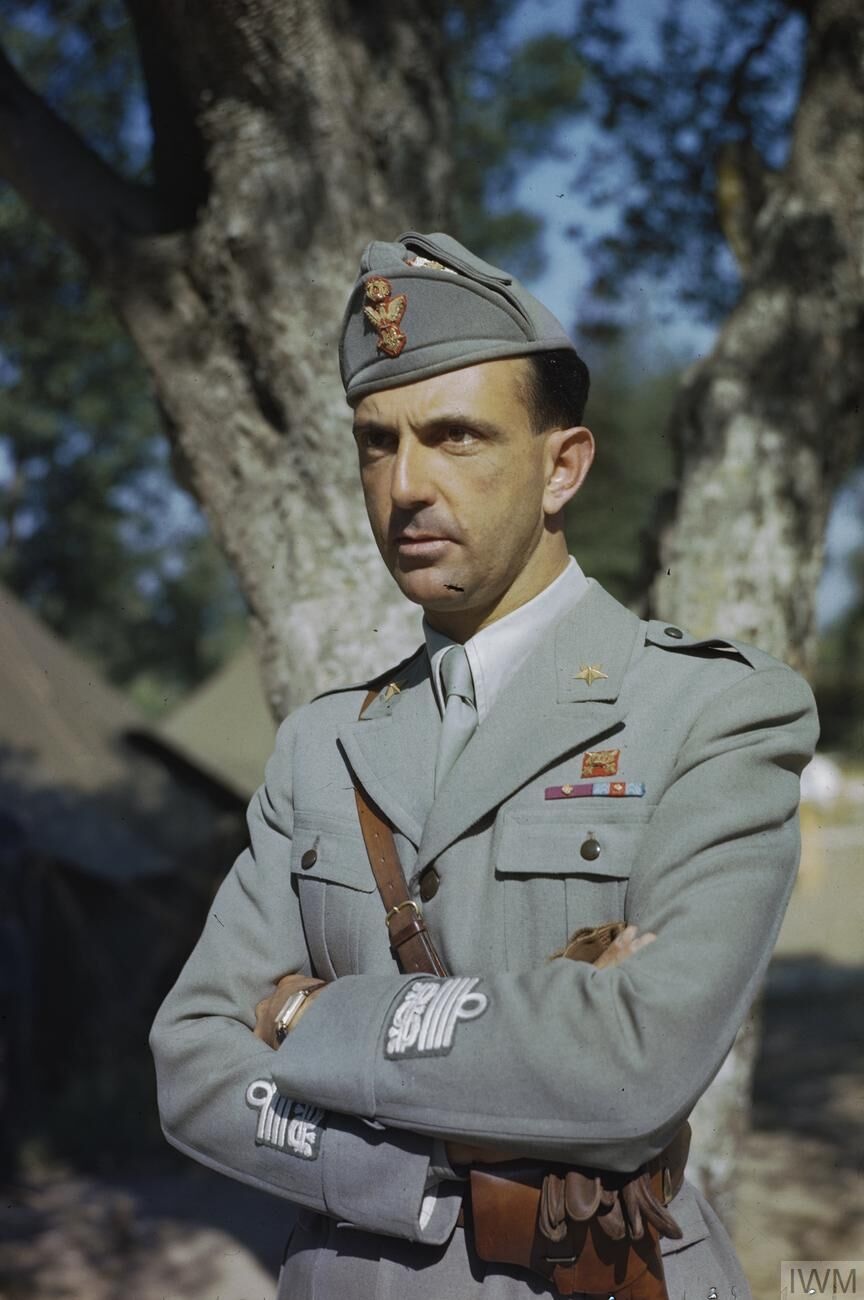
The collection comprises 44 major lots that allow us to view twentieth century European history through the prism of monarchical diplomacy. Most of the decorations were received by the future king while he was still Prince of Piedmont, heir to the Italian throne, born at the Royal Castle of Racconigi. The only son of King Victor Emmanuel III and Queen Elena of Montenegro, Umberto grew up at the centre of a complex network of alliances and ceremonial exchanges between the reigning houses of Europe and beyond. His marriage to the Belgian princess Marie José, daughter of King Albert I and sister of Leopold III, further strengthened these dynastic ties. Through the numerous decorations he received, one can trace how diplomatic relations between monarchies were constructed, from France and Belgium to Russia, the Vatican, Sweden, Portugal and Japan. According to Bernard Piguet, director and auctioneer of the Maison, collections of such scale and prestige rarely appear within a single sale, and most of the orders are represented in their highest ranks.
The geographical scope of the collection extends far beyond Europe. Among the Asian and Middle Eastern distinctions are the Supreme Order of the Chrysanthemum of Japan, the Order of the Sun of Peru, the Order of Muhammad Ali, a state distinction of the Sultanate of Egypt, and the Order of the Chakri Dynasty of Thailand, awarded to Umberto II in 1933. (It is worth noting that the Chakri dynasty, the ruling royal house of Thailand since 1782, is listed in the Guinness Book of Records as one of the longest reigning dynasties.) According to the organisers of the auction, this international perspective reveals the wide reach of the Italian monarchy’s influence during the first half of the twentieth century.
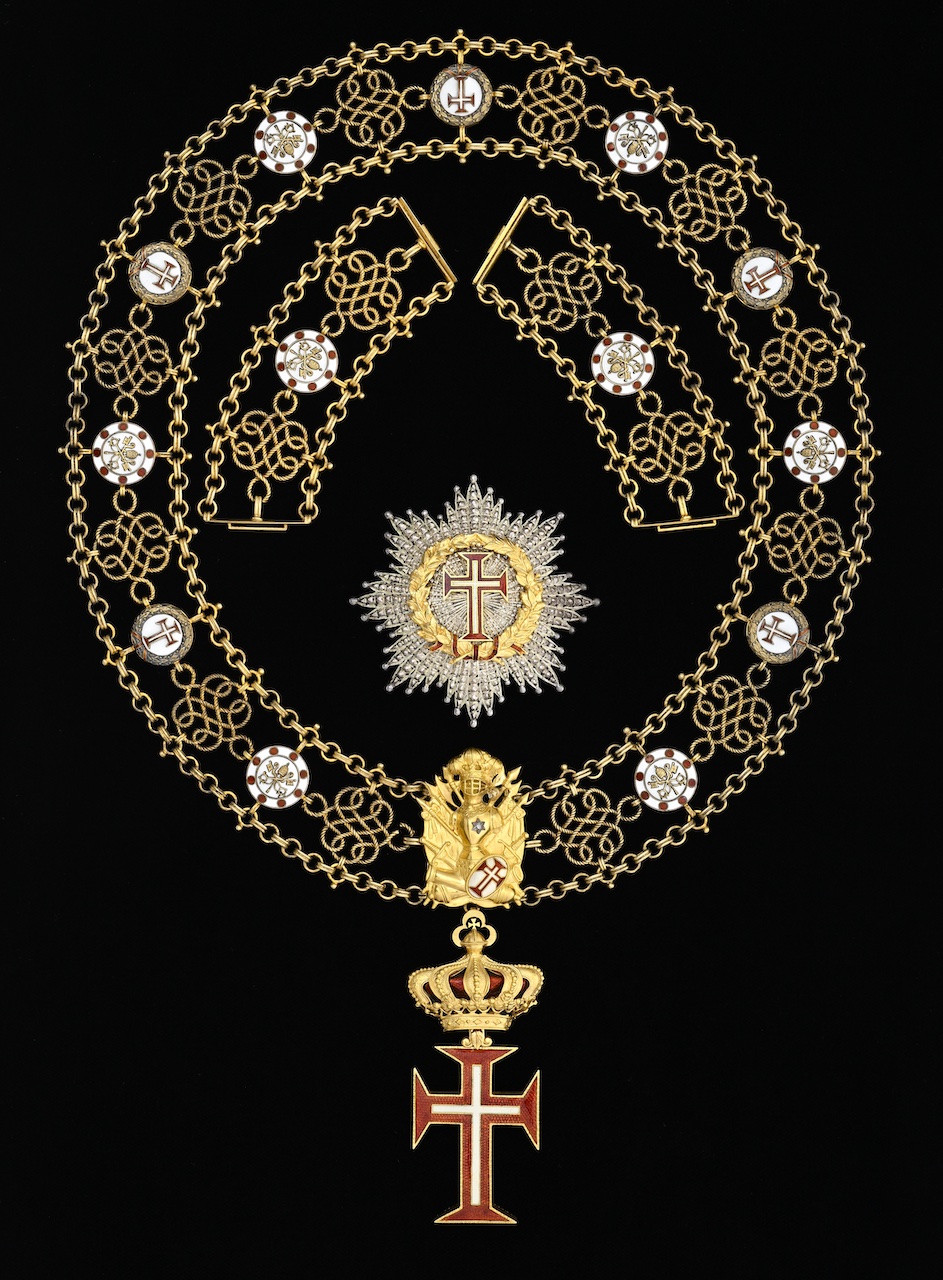
One of the central lots will be the Supreme Order of Christ (Supremus Ordo Christi), the highest and most prestigious pontifical distinction conferred by the Pope. Umberto, then twenty five years old, received it in 1929 in the context of the Lateran Pacts, which confirmed the independence of the Vatican. Today this order is almost inaccessible and is regarded as a symbol of a pivotal moment in European political and religious history. The collection also includes the highest distinctions of Sweden and Belgium, the Order of the Seraphim and the Grand Cordon of the Order of Leopold, the French National Order of the Légion d’Honneur, the Order of Saint Charles of Monaco, as well as decorations from Romania, Bulgaria, the Netherlands, Serbia and other countries.
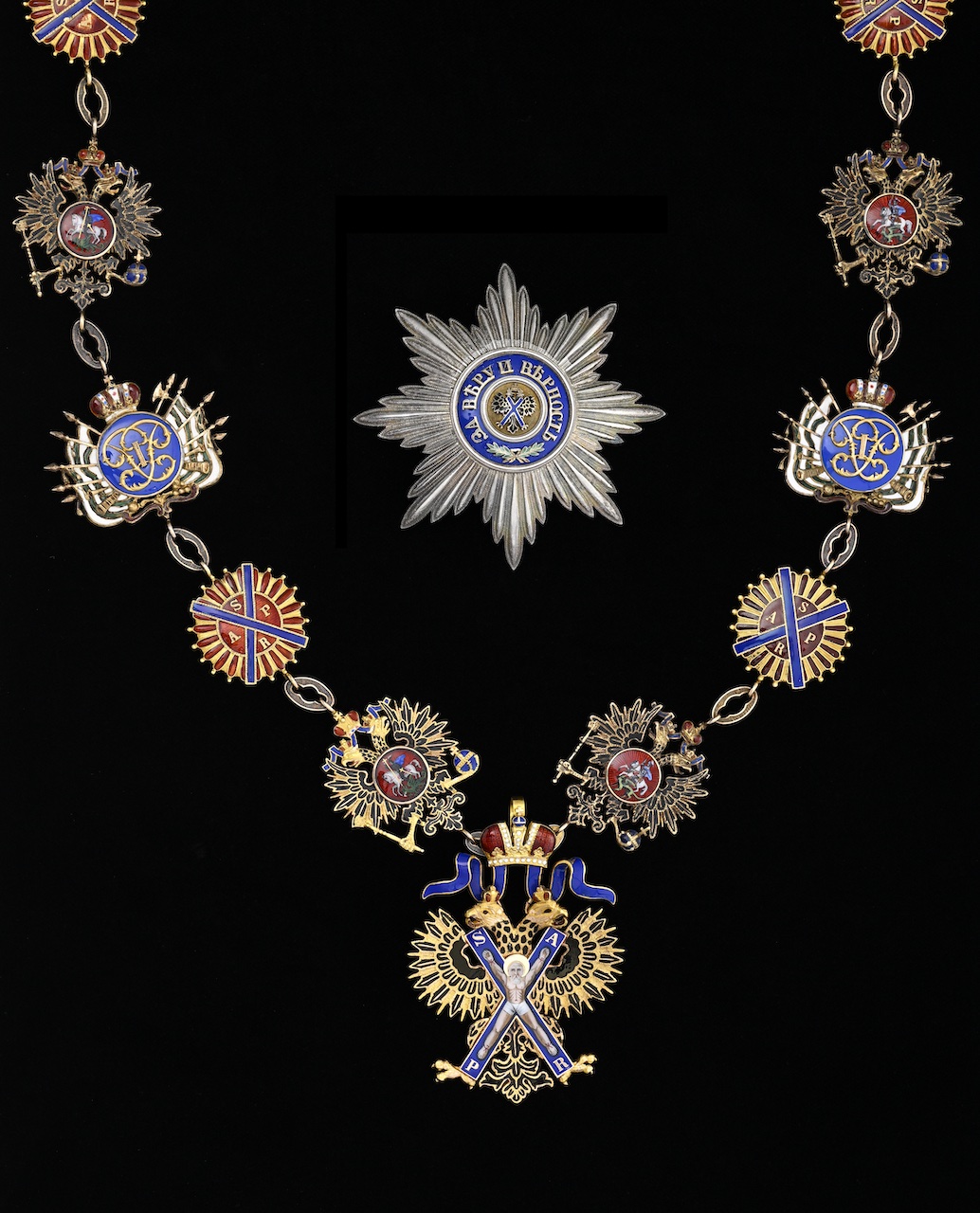
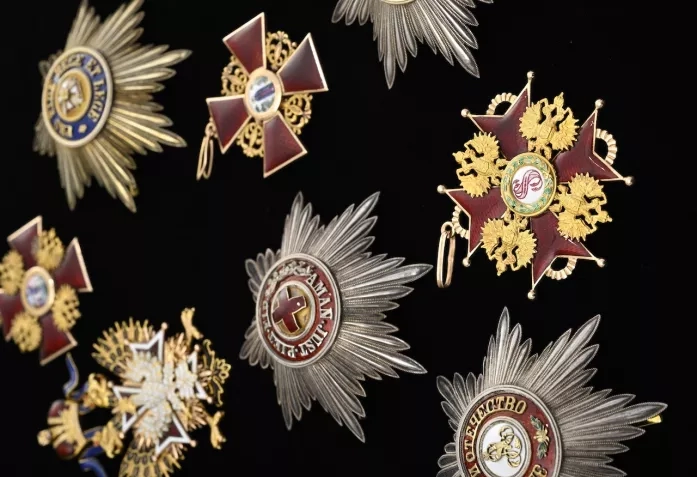
Yet it was the Russian imperial decorations that interested me most. These honours were not awarded to him for personal achievements in the modern sense, but primarily as dynastic and diplomatic distinctions, a common practice among European courts at the beginning of the twentieth century. The key lot of the collection, the Imperial Order of Saint Andrew the Apostle the First Called, the highest distinction of Imperial Russia, was awarded in 1910 to the six year old Prince of Piedmont as heir to a friendly monarchy, recognising his status and reinforcing alliances between ruling dynasties: at the beginning of the twentieth century the House of Savoy and the Russian imperial court maintained close relations. Instituted by Peter the Great in 1698, the order is represented by a badge and collar in gold and enamel, crafted by the jeweller Johann Lindstedt for the House of Edouard, together with its star and original case. The order was instantly recognisable: at court ceremonies the blue sash worn across the shoulder, the diagonal St Andrew’s cross and the richly ornamented gold collar immediately marked its bearer as a member of a ‘club of monarchs’. Traditionally, the Order of Saint Andrew was accompanied by a set of other Russian orders, Saint Anne, Saint Alexander Nevsky, the White Eagle and Saint Stanislaus. Together they formed a hierarchical ladder illustrating the degree of imperial favour and the depth of dynastic relations. A rare ensemble of these four Russian imperial orders will also be offered at the Geneva auction.
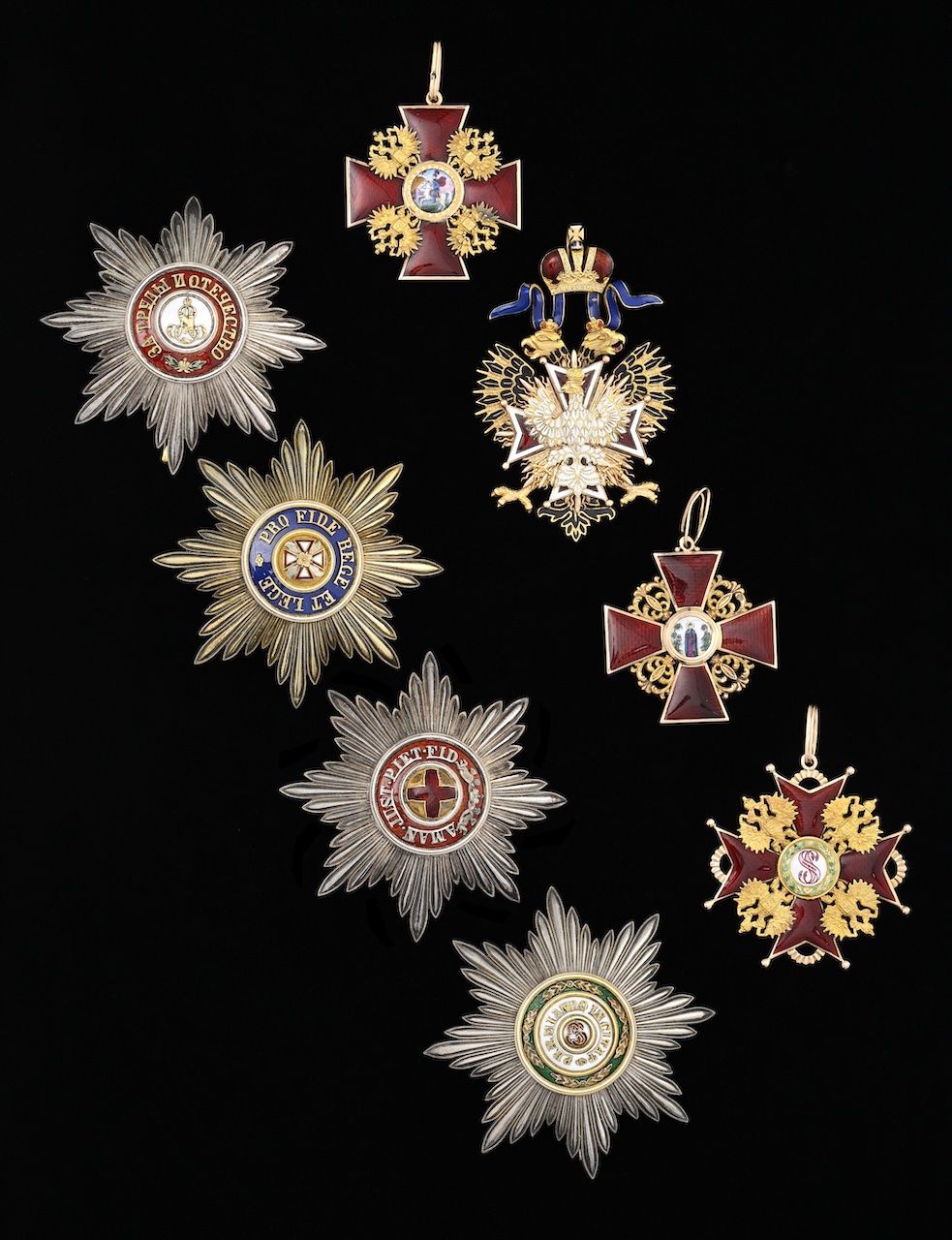
Removed from a safe after more than forty years of storage, these decorations will be shown to the public for the first time. The collection tells not only the personal story of a prince who briefly became king, but also evokes the vanished world of European courts and diplomatic rituals that now belong to historical memory.
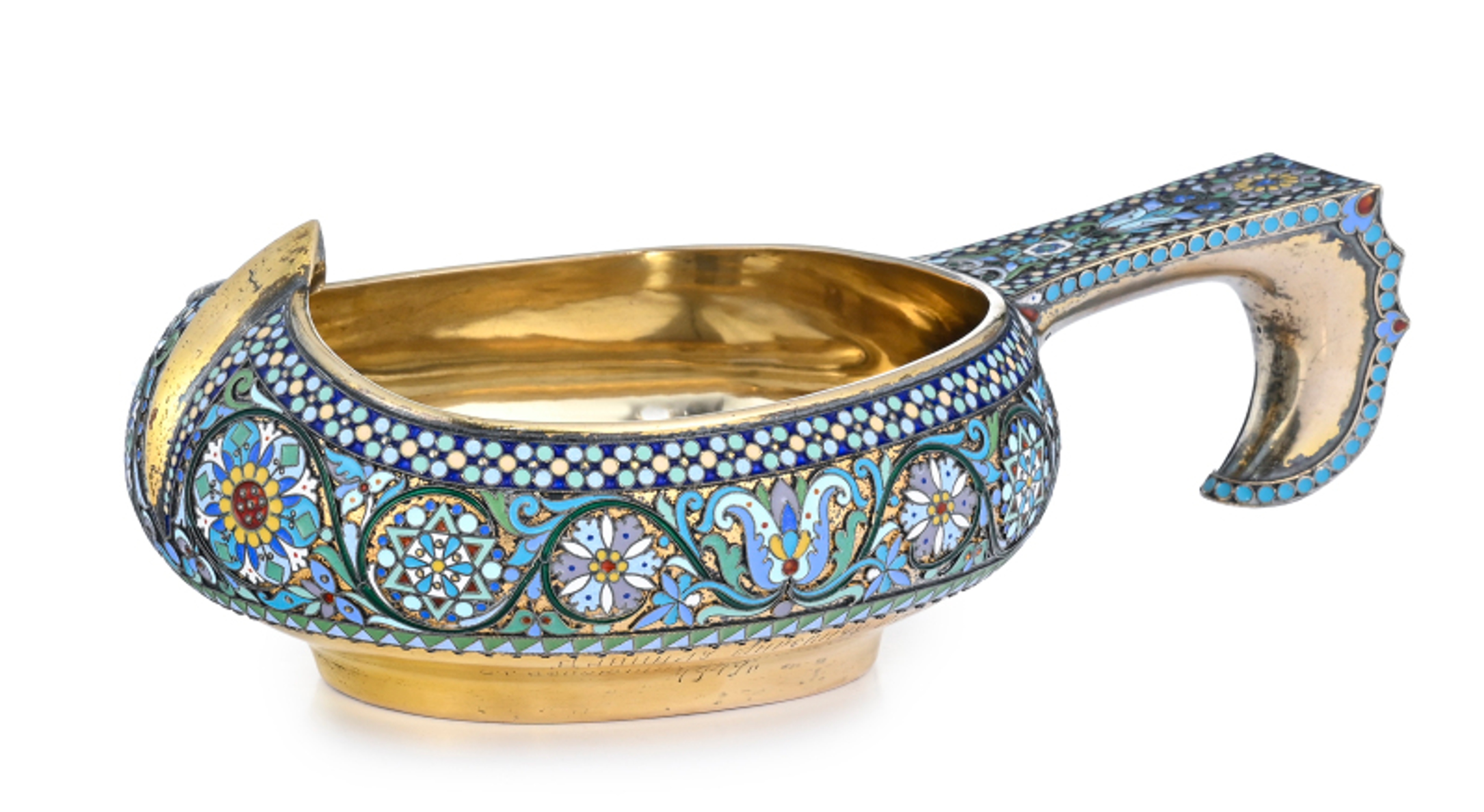
I cannot refrain from mentioning another Russian lot, unrelated to the last King of Italy but one that I find particularly appealing. It is a presentation kovsh in vermeil and cloisonné enamel bearing the mark of the master Pavel Ovchinnikov, made in Moscow between 1908 and 1917. A frieze decorated with berries, the body and handle adorned with scrolling foliage forming medallions of stylised flowers and stars... This charming piece, measuring 27 cm in length and weighing 665 g gross, is estimated at CHF 15,000 to 18,000.
***
Public exhibitions: 12–15 March at the Piguet salons (Rue Prévost-Martin 44–51, Geneva).
Auctions: 5–19 March, with lot closings from 16–19 March.
Online catalogue is available from today.





Andre6230 March 05, 2026
Лазарь Фрейдгейм March 05, 2026
Sikorsky March 05, 2026