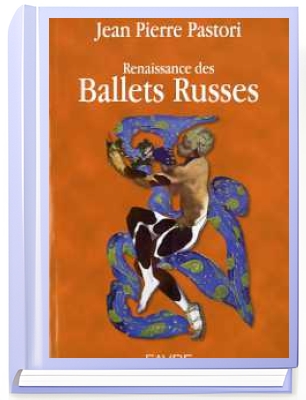
Une explosion de rythmes et de couleurs secoue un ballet devenu gris à force de routine. Réunie autour de Doaghilev, la génération montante des danseurs, chorégraphes, peintres et musiciens russes apporte l’éblouissante démonstration que la danse peut-être autre chose qu’un aimable divertissement.
Il ne s’agit plus d’offrir un écrin aux jolies ballerines. Les hommes sont désormais de la partie avec Nijinsky, Bolm, Fokine… Mais surtout Serge Diaghilev convoque sur scène poètes, peintres et compositeurs de talent. Le meilleur de la Russie s’offre aux spectateurs parisiens. Cinq ans plus tard, toute auréolée des scandales du Sacre du printemps et de L’Après-midi d’un faune, la compagnie qui a emballé Monte-Carlo, Bruxelles, Londres, Berlin, Rome… est au sommet de sa gloire. Mais la déclaration de guerre brise net son élan. Danseurs mobilisés, voies de communication coupées, théâtres fermés.
En s’installant à Ouchy, le petit port de Lausanne, sur le Léman, Diaghilev tente le tout pour le tout. Ses danseurs sont dispersés aux quatre coins de l’Europe dévastée ? Il les fera chercher. Nijinsky est retenu à Budapest ? Il sollicitera l’intervention du roi d’Espagne et même du Pape. Il n’a plus d’argent ? Le Metropolitan Opera de New-York lui consentira des avances. C’est qu’une tournée outre-Atlantique est en vue. Avec le soutien de son ami Strawinsky qui est en train de composer Les Noces, il met tout en œuvre pour relancer l’une des plus fantastiques aventures artistiques des temps modernes. Ressuscités, mais désormais plus européens que russes, les Ballets de Diaghilev pourront déployer leurs fastes jusqu’en 1929.
Auteur d’une vingtaine d’ouvrages sur la danse et son histoire, Jean Pierre Pastori évoque la vie quotidienne de Serge Diaghilev et de sa garde rapprochée (Massine, Stravinsky, Larionov, Gontcharova, Nijinsky, Ansermet…), leurs démêlés, les malentendus et les intrigues auxquels ils sont associés.
Il ne s’agit plus d’offrir un écrin aux jolies ballerines. Les hommes sont désormais de la partie avec Nijinsky, Bolm, Fokine… Mais surtout Serge Diaghilev convoque sur scène poètes, peintres et compositeurs de talent. Le meilleur de la Russie s’offre aux spectateurs parisiens. Cinq ans plus tard, toute auréolée des scandales du Sacre du printemps et de L’Après-midi d’un faune, la compagnie qui a emballé Monte-Carlo, Bruxelles, Londres, Berlin, Rome… est au sommet de sa gloire. Mais la déclaration de guerre brise net son élan. Danseurs mobilisés, voies de communication coupées, théâtres fermés.
En s’installant à Ouchy, le petit port de Lausanne, sur le Léman, Diaghilev tente le tout pour le tout. Ses danseurs sont dispersés aux quatre coins de l’Europe dévastée ? Il les fera chercher. Nijinsky est retenu à Budapest ? Il sollicitera l’intervention du roi d’Espagne et même du Pape. Il n’a plus d’argent ? Le Metropolitan Opera de New-York lui consentira des avances. C’est qu’une tournée outre-Atlantique est en vue. Avec le soutien de son ami Strawinsky qui est en train de composer Les Noces, il met tout en œuvre pour relancer l’une des plus fantastiques aventures artistiques des temps modernes. Ressuscités, mais désormais plus européens que russes, les Ballets de Diaghilev pourront déployer leurs fastes jusqu’en 1929.
Auteur d’une vingtaine d’ouvrages sur la danse et son histoire, Jean Pierre Pastori évoque la vie quotidienne de Serge Diaghilev et de sa garde rapprochée (Massine, Stravinsky, Larionov, Gontcharova, Nijinsky, Ansermet…), leurs démêlés, les malentendus et les intrigues auxquels ils sont associés.