Bookshelf

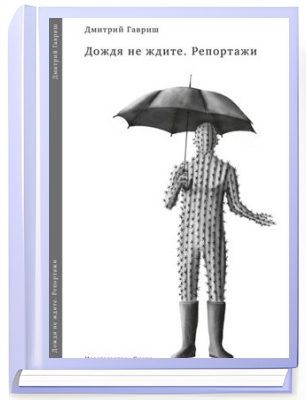
Дмитрий Гавриш: "Дождя не ждите. Репортажи". Издательство "Смена", Казань, 2016 г.

Перевод с русского на немецкий и обратно донесли до читателя Т. Набатникова, М. Зоркая, В. Агафонова.

В эту книгу родившегося в Киеве и пишущего на немецком языке швейцарского писателя Дмитрия Гавриша вошли три репортажа из поездкок во Украине и России, впервые опубликованныеы в швейцарском журнале Reportagen. Подобно воспоминаниям о путешествиях по СССР Вальтера Беньямина, Альфреда Барра, Рудольфа Волтерса, Андре Жида, Джона Стейнбека и других гостей Страны Советов, тексты Гавриша не только являются хорошим примером документальной прозу и литературного нон-фикшна, но и представляются важными документами современной эпохи, по которым в скором времени, возможно, будут изучать то, как западные интеллектуалы видели Россию и Украину 2010-х годов.

Интервью с Дмитрием Гавришем можно прочитать здесь.
About the author

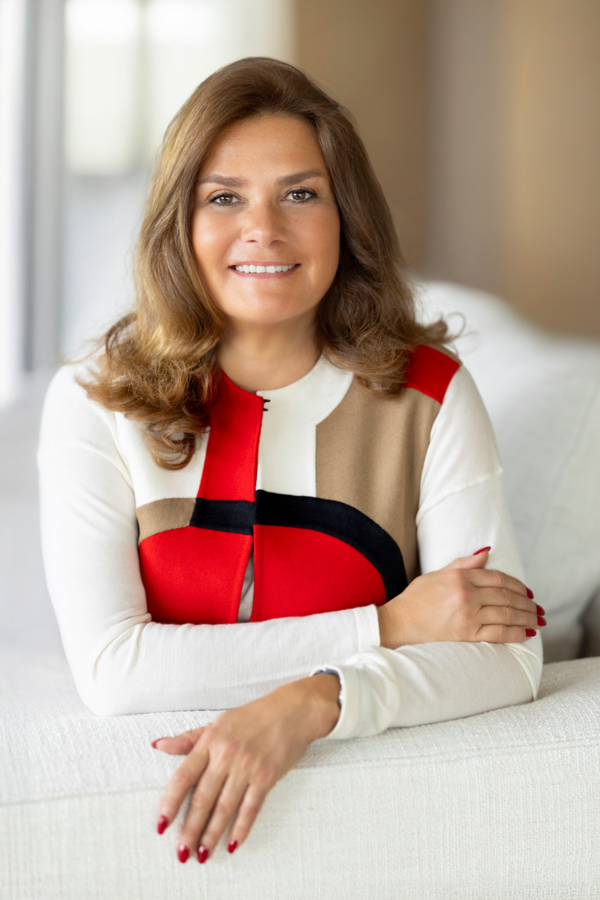
Nadia Sikorsky

Nadia Sikorsky grew up in Moscow where she obtained a master's degree in journalism and a doctorate in history from Moscow State University. After 13 years at UNESCO, in Paris and then in Geneva, and having served as director of communications at Green Cross International founded by Mikhail Gorbachev, she developed NashaGazeta.ch, the first online Russian-language daily newspaper, launched in 2007.

In 2022, she found herself among those who, according to Le Temps editorial board, "significantly contributed to the success of French-speaking Switzerland," thus appearing among opinion makers and economic, political, scientific and cultural leaders: the Forum of 100.

After 18 years leading NashaGazeta.ch, Nadia Sikorsky decided to return to her roots and focus on what truly fascinates her: culture in all its diversity. This decision took the form of this trilingual cultural blog (Russian, English, French) born in the heart of Europe – in Switzerland, her adopted country, the country distinguished by its multiculturalism and multilingualism.

Nadia Sikorsky does not present herself as a "Russian voice," but as the voice of a European of Russian origin (more than 35 years in Europe, 25 years spent in Switzerland) with the benefit of more than 30 years of professional experience in the cultural world at the international level. She positions herself as a cultural mediator between Russian and European traditions; the title of the blog, "The Russian Accent," captures this essence – the accent being not a linguistic barrier, not a political position but a distinctive cultural imprint in the European context.

Events