
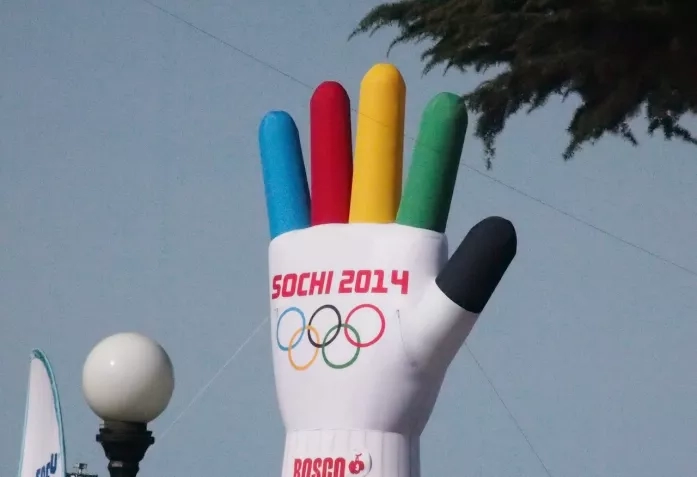
Exactly twelve years ago, on 23 February 2014, I was in Sochi. My then partner at Nasha Gazeta, a network of Swiss private clinics which in late 2022 announced the termination of our professional relationship, offered me a royal gift: an invitation for two to the closing ceremony of the Olympic Games. I, in turn, shared this gift with my eldest son, and we set off, delighted.
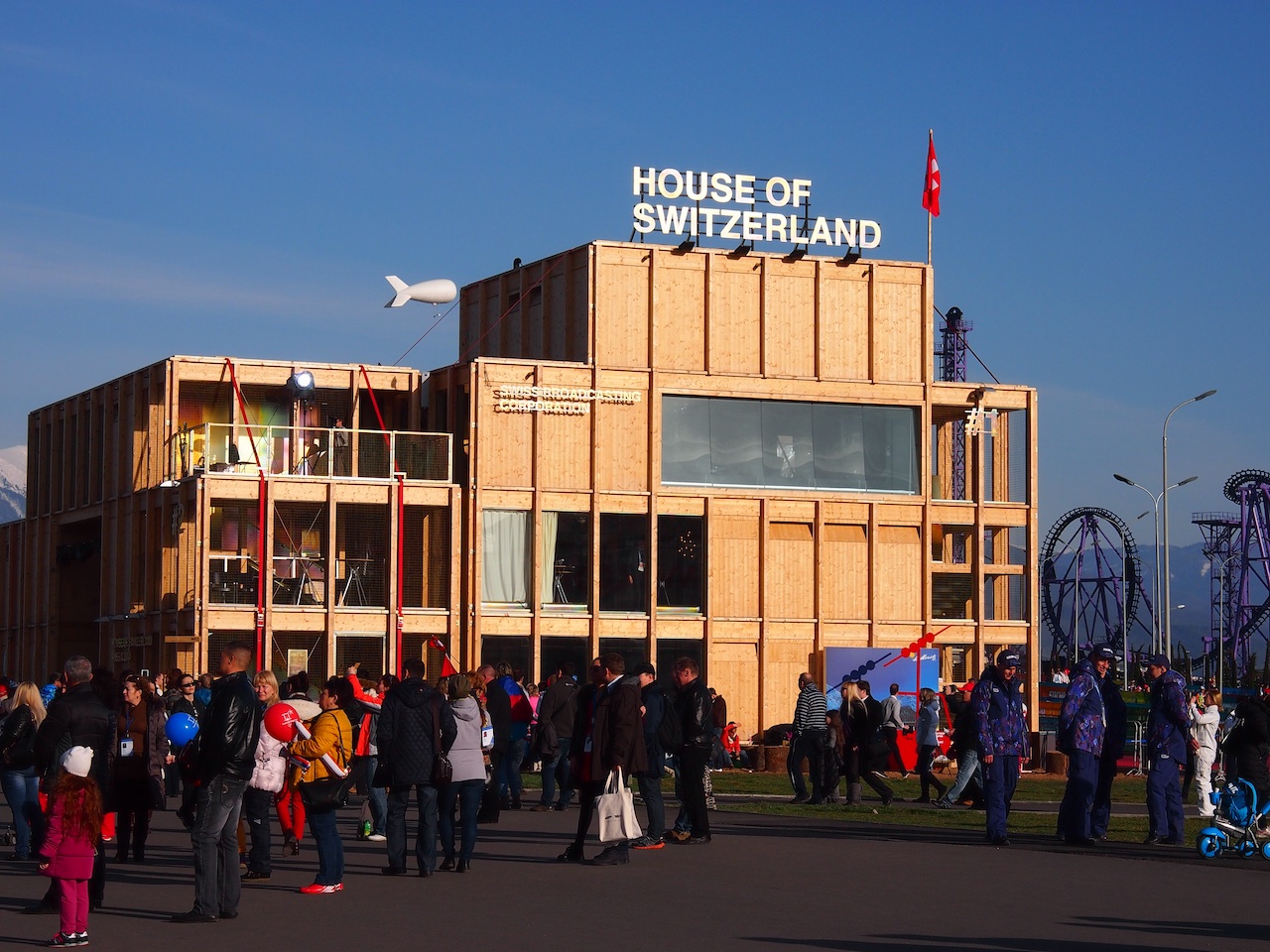
That Olympic Games had been preceded by calls for a boycott and predictions of a catastrophic failure. Yet nothing of the sort happened. Everything “went according to plan” and was organised with Swiss-watch precision, symbolised by the many timepieces decorating the House of Switzerland in Sochi, while the closing ceremony at the Fisht Stadium, coinciding, whether by chance or design, with Russia’s Defender of the Fatherland Day, entered Olympic history as the most intellectual. “Russia has delivered on its promises!” declared at the end of the ceremony Thomas Bach, President of the Lausanne-based International Olympic Committee, who a month later was awarded the Russian Order of Honour.
Of course, I did not know what those promises were, and therefore watched the ceremony simply as a spectator, experiencing a long-forgotten sense of pride in my country and sharing the excitement of my son, who, as it turned out, knew all the words of the Russian anthem and sang it standing together with a choir of a thousand other children under the direction of Maestro Valery Gergiev.
The main theme of that ceremony was Russia’s cultural heritage, and this is precisely why I liked it: for me too, the country where I was born and raised matters above all through its culture, which permeates me from head to toe. All the media noted at the time that “among the leading performers appearing before the audience were the ‘Sochi 2014’ ambassador, conductor Valery Gergiev, conductor and violist Yuri Bashmet, pianist Denis Matsuev, soprano Hibla Gerzmava and violinist Tatiana Samuil, together with artists of the Bolshoi and Mariinsky Theatres”. But there were many others as well.
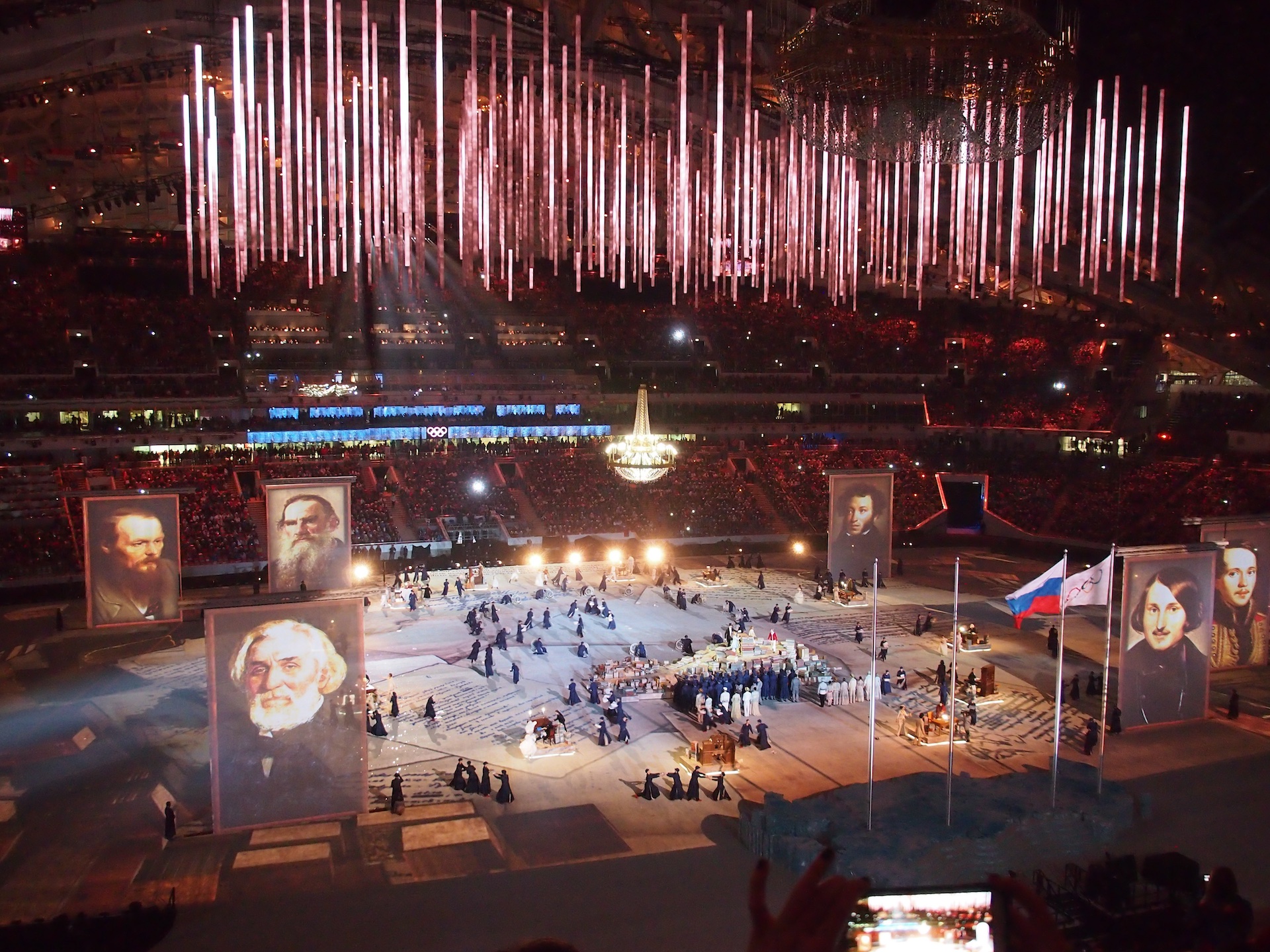
The ceremony was directed by the Swiss theater-maker, choreographer, writer and clown Daniele Finzi Pasca, whom I met five years later when he was working on the traditional Fête des Vignerons in Vevey. While having breakfast with him at the Hôtel Trois Couronnes, whose terrace offers a breathtaking view over Lake Geneva, and talking about his love for Chekhov, I could not resist asking him about that ceremony, reminding him that most of the writers whose enormous portraits were proudly carried by its participants had suffered in Russia: some had been physically destroyed, others morally broken, forced to leave, their books banned. He replied thoughtfully: “I know, I know, I know… In any structure, from a family to a state, it happens that new ideas are not perceived, not accepted, that they encounter resistance. And Russia is no exception. Working on the Sochi ceremony was like a dance: one step back, one step forward. I immediately suggested bringing twelve writers to the forefront, because twelve is a symbolic number. They told me: fine, but let’s make it four. And so we ‘danced’ for many months: six, eight… (He laughs.) Only two days before the performance, during rehearsals, all twelve portraits were finally carried! Overall, it was a fantastic experience, especially in a climate of extreme political tension.”
I now regret not asking which four “they” had wished to limit Russian literature to! And that “extreme political tension”, as we know, did not ease. Only a few weeks after the Olympic Games, Crimea became “ours”, with all the consequences that followed. But let me not run ahead of myself.
During the ceremony, portraits of writers were not the only ones carried: Russian culture was also represented through painting, music, theatre and even circus arts.
The section devoted to Russian painting was entitled “The World of Malevich, Kandinsky, Chagall”. It is worth recalling that, to varying degrees, all three encountered pressure from Soviet cultural policy. Kazimir Malevich endured the harshest persecution: a brief arrest in 1930, accusations of formalism and gradual marginalisation from the official art scene. Wassily Kandinsky was not directly repressed, but his abstract aesthetics proved incompatible with the new Soviet ideology, leading to emigration and subsequent erasure from the Soviet official canon. Marc Chagall found himself in a situation of aesthetic conflict and institutional exclusion: he left Russia without persecution, yet his name disappeared from the Soviet canon for many years. Today the Pushkin Museum in Moscow is presenting the exhibition Marc Chagall. The Joy of Earthly Attraction, and it is impossible to get in, all the tickets having been sold.
As an illustration of the “Theatre” segment, the audience saw the red-and-gold Bolshoi and the blue-and-gold Mariinsky, the country’s two principal opera and ballet stages. Since 2024 both have been directed by Valery Gergiev, who in November 2025 told the newspaper Kommersant: “The tsars who created these two theatres were no more foolish than we are. There was even a unified Directorate of the Imperial Theatres that made decisions about productions <…> There was a person trusted by the sovereign. That person usually understood well what kind of theatre the Russian emperor should attend.” Are any comments necessary?
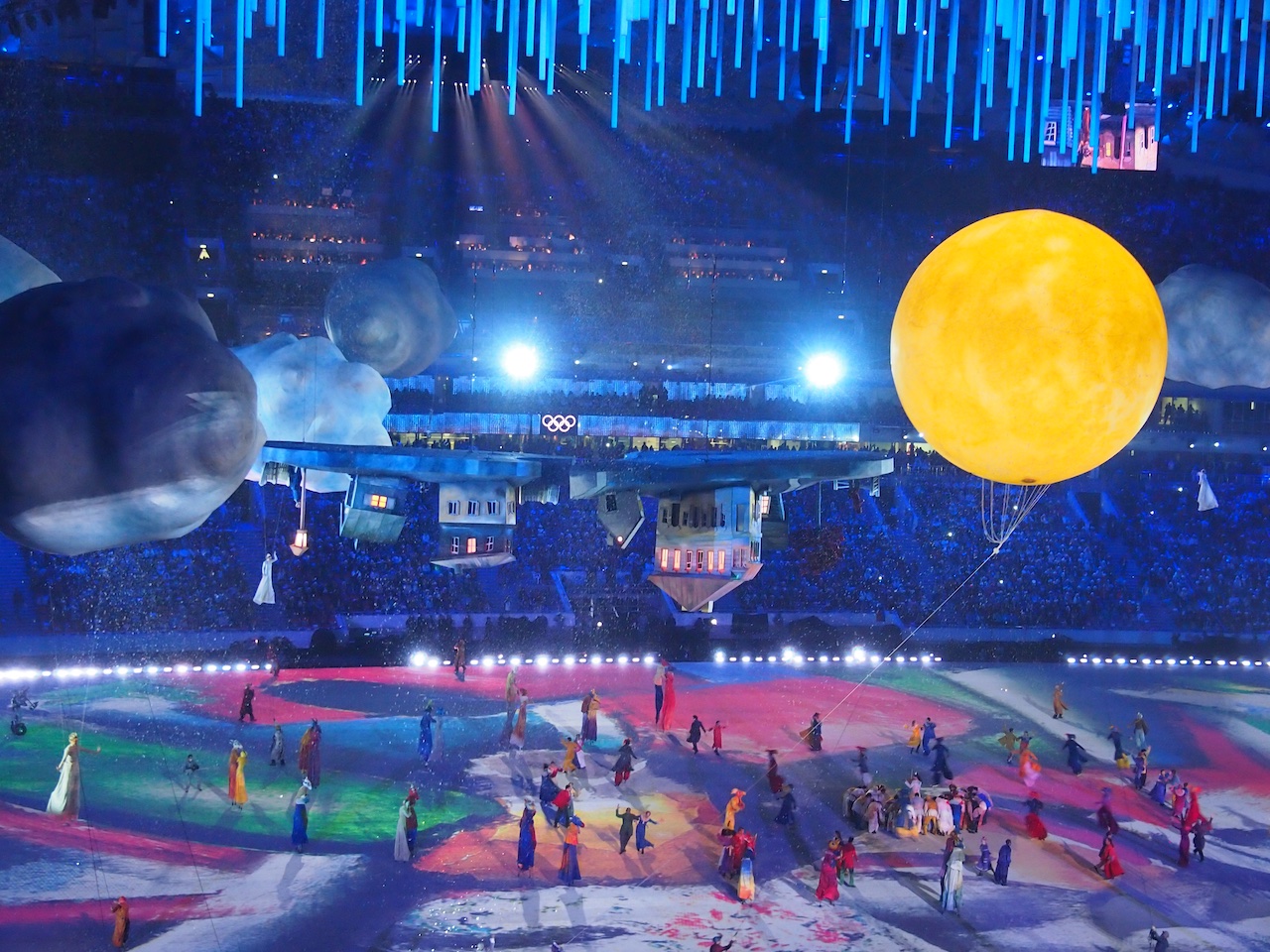
As the action unfolded, characters from Diaghilev’s Ballets Russes gradually joined the corps de ballet dancers: the Golden Slave, Zobeide, the Rose and the Dying Swan. Sergei Diaghilev is a singular figure: without entering into direct conflict with the state, he left the country when he found it impossible to realise his ideas within the imperial and later Soviet systems, effectively carrying Russian culture beyond its borders and turning it into an international project. His Ballets Russes became a space where Russia existed not as a political reality but as an artistic myth created through the efforts of Stravinsky, Nijinsky, Bakst, Benois and others. His fate was a conscious choice of a cosmopolitan; Diaghilev became a mediator between Russian tradition and European modernism, showing that “Russianness” could exist as style and energy rather than as geography.
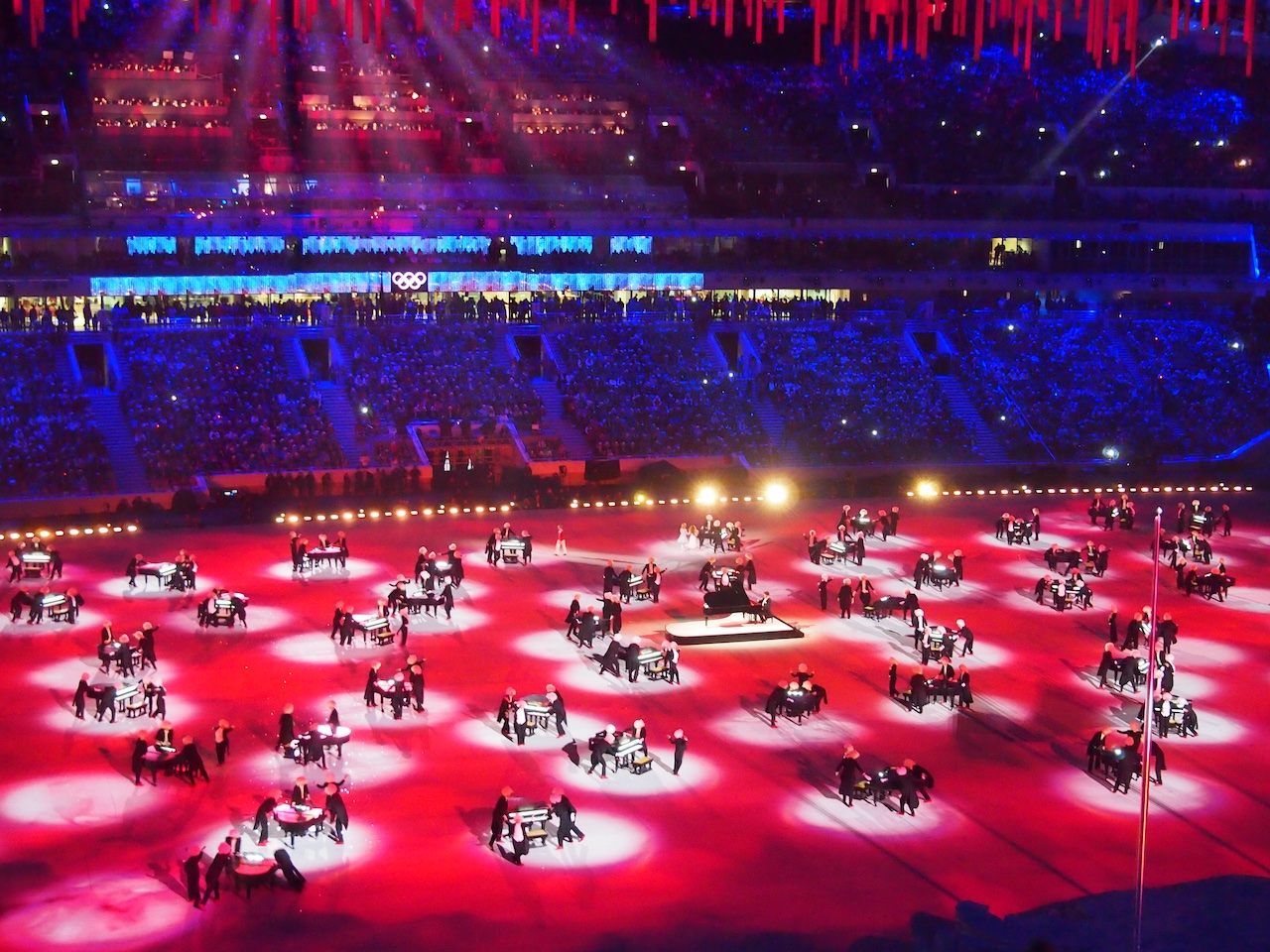
How could one forget Rachmaninoff’s Second Concerto performed by Denis Matsuev, who has not appeared in the Western world for the past four years but performed in Sochi surrounded by sixty-two pianos?! Sergei Rachmaninoff, who lived for many years in Switzerland and here in Lucerne gave his last European concert in the summer of 1939! After the 1917 Revolution, his estate Ivanovka, where the Second Piano Concerto had been written, was looted by marauders, and much of his archive and personal belongings was lost. This became a painful blow and one of the factors behind his final decision not to return to Russia after emigrating. Such a decision, taken by a composer who never publicly engaged in ideological disputes, nevertheless signified a quiet but unequivocal disagreement with the new order, without preventing his continued dialogue with Russia through music. (Music by many other composers was heard during the ceremony, and I cannot help recalling how a French television commentator introduced to his audience “Shostakovich, known for the music to the film Eyes Wide Shut”!)
In the literary section, the portraits far exceeded twelve. Daniele Finzi Pasca called the number symbolic, perhaps thinking of the twelve months of the year or the twelve signs of the zodiac, or else the twelve tribes of Israel or the twelve apostles. Yet in the context of Russian literature another association arises immediately: The Twelve, a poem by Alexander Blok, who died in August 1921 almost in poverty. In this poem, may I remind my non-Russian readers, twelve Red Guards at once resemble apostles and a street patrol of revolutionary Petrograd, while the number twelve becomes both a symbol of the destruction of the old world and a hint at a possible new “gospel” of history. The final image of Christ walking ahead of the detachment reinforces this duality: the twelve become not merely a political symbol but a mystical formula of a transitional epoch, in which revolution is perceived as an event of almost apocalyptic scale.
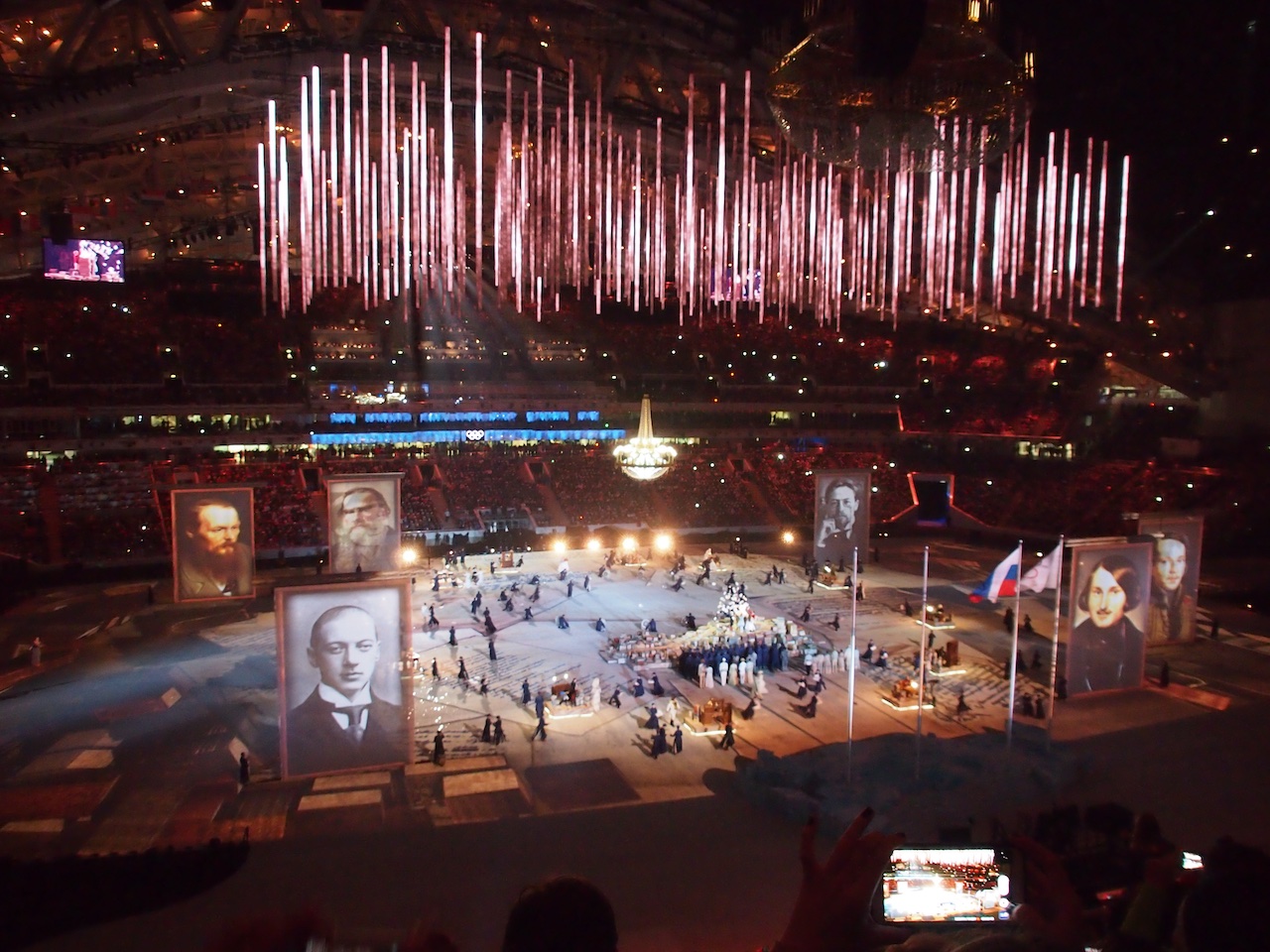
Who, then, were these “twelve” whom Daniele Finzi Pasca placed at the forefront? Alexander Pushkin, Leo Tolstoy, Fyodor Dostoevsky, Nikolai Gogol, Ivan Turgenev, Anton Chekhov, Vladimir Mayakovsky, Anna Akhmatova, Marina Tsvetaeva, Joseph Brodsky, Mikhail Bulgakov, Alexander Solzhenitsyn. Their procession was explained to viewers by a commentator on the Swiss channel RTS as follows: “An unknown Akhmatova, unlike Tolstoy.” What can one say? “An unknown Akhmatova!” Anna Andreyevna is a tragic symbol of a poet who remained within the system and paid for independence with her personal life: the execution of her first husband, the poet Nikolai Gumilev, the repeated arrests of her son Lev Gumilev, publication bans and official persecution turned her biography into a living testimony to the pressure of power on culture.
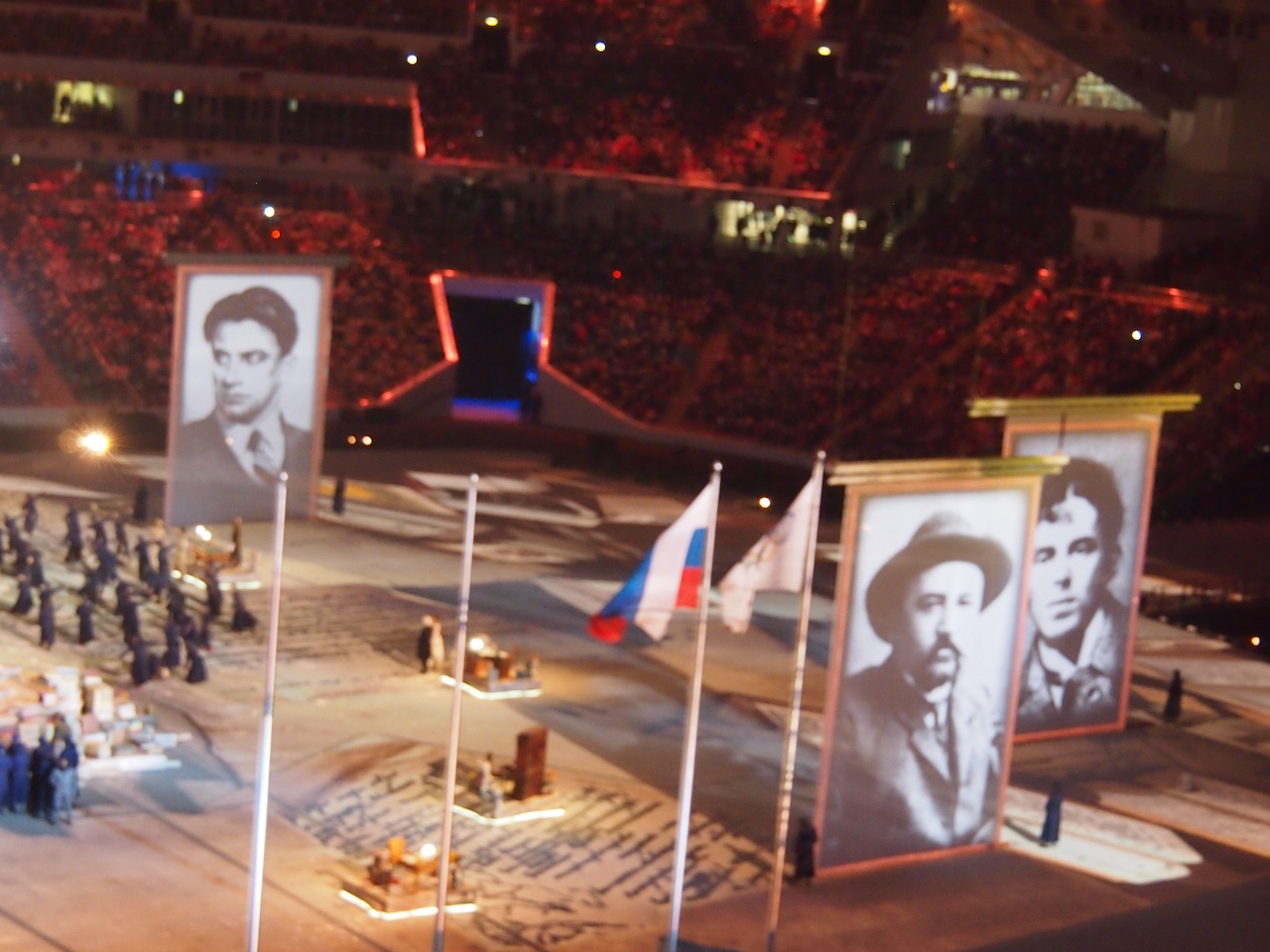
I could comment on each of the twelve and all the other names, but I fear you would not read this text to the end. Let me say only that, despite all their differences, for these first twelve Russian literature became a space of constant tension between the state, personal freedom and history. Already with Pushkin and Gogol there emerges the model of an author existing between authority and inner independence; with Tolstoy, Dostoevsky and Turgenev this dilemma becomes a philosophical debate about Russia’s destiny and its place in Europe, dilemma which Chekhov continues by translating into the register of individual responsibility. Chekhov, whose body was brought back to Russia from Germany in a railway carriage for oysters. In the next generation this conflict only intensified: Vladimir Mayakovsky, the poet of the revolution, took his own life on 14 April 1930; Anna Akhmatova and Marina Tsvetaeva, who hanged herself in 1941, experienced the pressure of the era as a personal tragedy; Mikhail Bulgakov and Joseph Brodsky faced persecution and the impossibility of leaving in the first case and exile in the second, while with Alexander Solzhenitsyn, whatever our personal attitude toward him and toward the literary qualities of his works, literature becomes a direct testimony to the historical experience of repression.
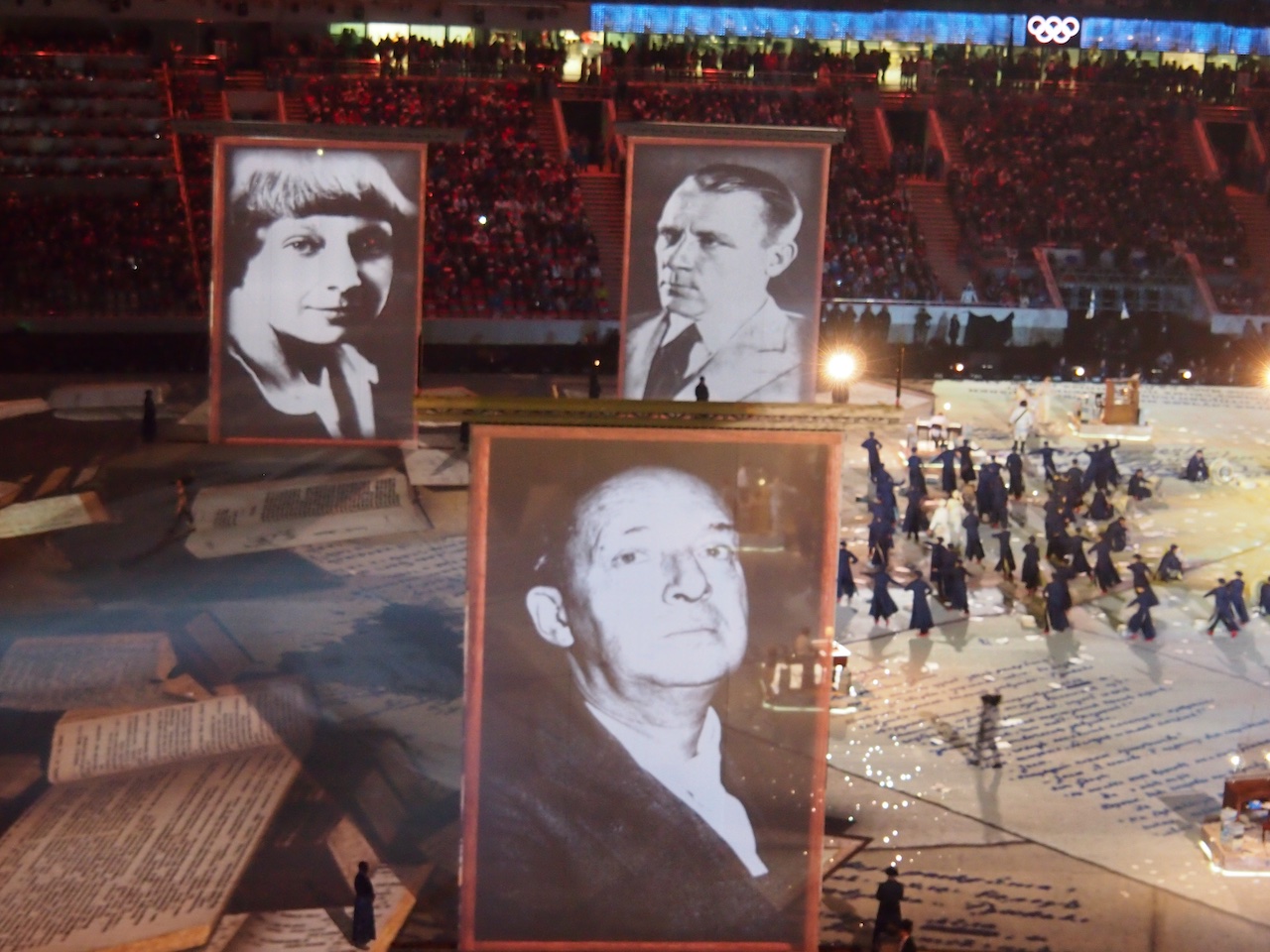
Alongside these twelve, in my own photographs taken that day I recognise Alexander Kuprin, Osip Mandelstam, Boris Pasternak, Mikhail Zoshchenko, Ivan Bunin, Sergei Yesenin, Maxim Gorky, Vladimir Nabokov… Behind each name lies a particular drama, sometimes a genuine tragedy. And suddenly, beside them, the portrait of a writer almost forgotten today, Mikhail Sholokhov, who received the Nobel Prize in Literature in 1965. Do you think anyone asked Pasternak’s opinion about the proximity of his portrait to that of Sholokhov, who persecuted him in 1958, demanded the execution of Daniel and Sinyavsky in 1965, opposed Solzhenitsyn and urged Brezhnev to fight Zionism? Or Chagall’s opinion about the organisation of an exhibition of his works in Moscow? Of course, my questions are rhetorical.
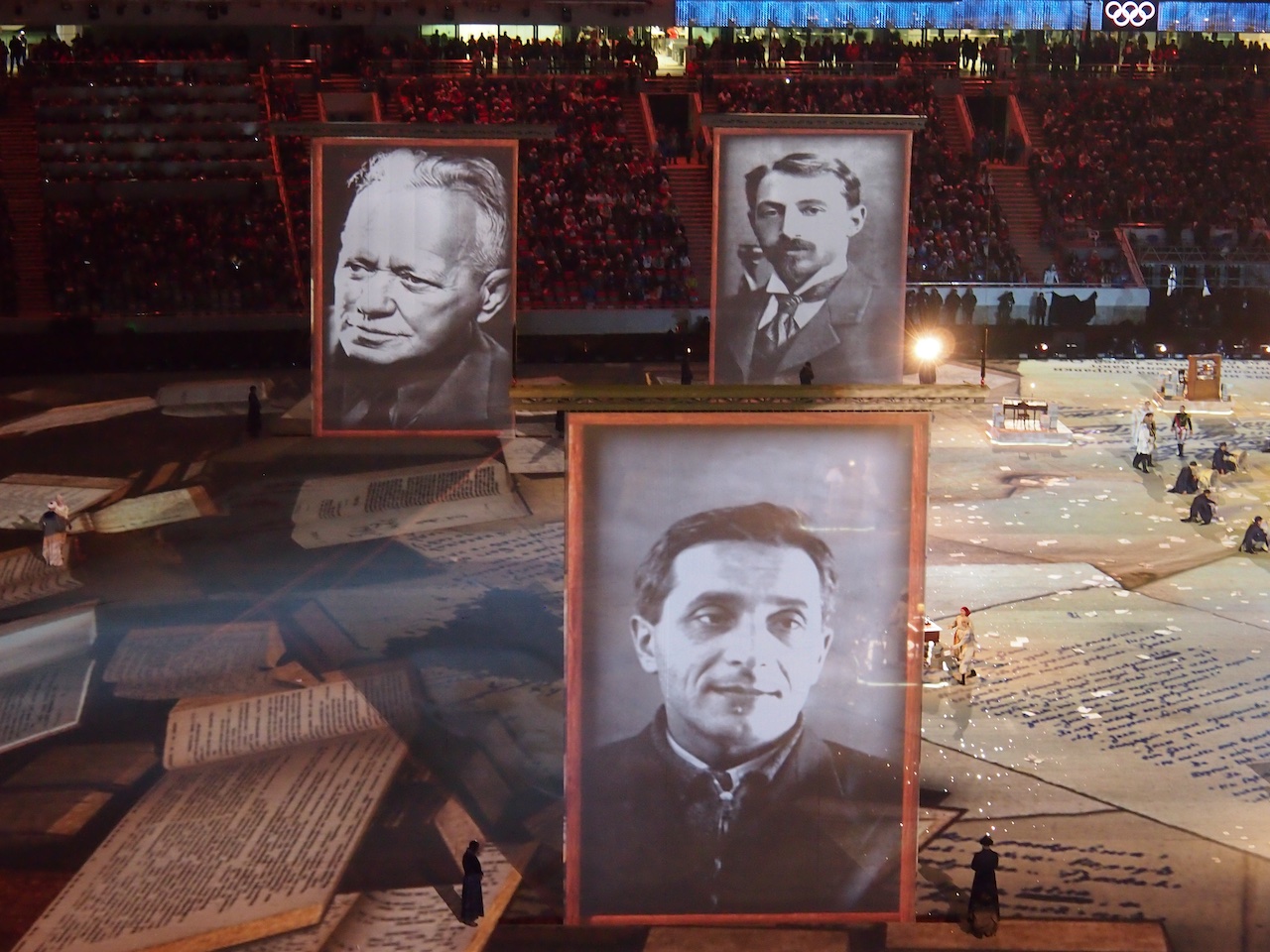
At all times and under all regimes, culture has been used for propaganda and for manipulating public opinion. Russian culture is complex and contradictory, yet it is precisely within it that one finds the keys to moral questions that keep many of us awake at night. Those finest representatives of this culture whose portraits are carried today on the most diverse occasions and accompanied by the most varied commentaries bear no responsibility either for those who carry them or for the comments themselves; they can defend themselves only through what they have created. So let us not lump everyone together or attach labels, thereby effectively yielding the right to genius to those to whom it belongs no more than to you or me. Any power is temporary, whereas high culture endures. These are the thoughts I wished to share with you on this anniversary of the closing ceremony of the Sochi Olympic Games and on the eve of the fourth anniversary of the beginning of the war in Ukraine. I count on your understanding.




Federica Brunelli February 23, 2026
Sikorsky February 23, 2026
Andre6230 February 23, 2026