Throughout the year, two symphony orchestras will present a series of concerts in memory of the great Russian composer.
While the official Russian media express outrage over the ‘cancellation of Russian culture’ in the West, almost every week I find examples of precisely the opposite, even here in our little Switzerland. Here is another one. And no small one at that.
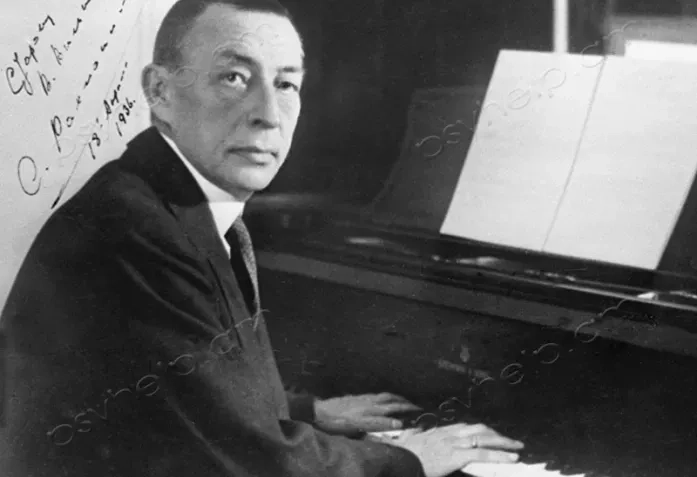
I have written extensively about the Swiss period in the life of Sergei Rachmaninoff (1873–1943), his estate, Senar, on the shores of Lake Lucerne, the works he composed there and the last concert he gave at the KKL concert hall before leaving for the United States. Sadly, he was never to return to Europe.
Zurich’s two leading musical ensembles, the orchestra of Zurich Opera House, Philharmonia Zürich, and the Tonhalle Orchestra, named after the city’s largest concert hall, have decided to join forces to honour the memory of a Russian composer who endured forced emigration and whose contribution to world culture can scarcely be overstated. Such a collaboration, to use a fashionable term, is something I have never seen before. As part of the commemorative series, two conductors, the Italian Gianandrea Noseda and the Estonian Paavo Järvi (son of Neeme Järvi, well known both to my readers and throughout the world), will swap places on the podium for programmes featuring both Rachmaninoff’s best-known works and some of his rarely performed compositions. According to the organisers, the two conductors are friends and not only see no obstacles to this combination of joint and parallel work, but welcome it as an opportunity for active artistic exchange and friendly ‘competition’.
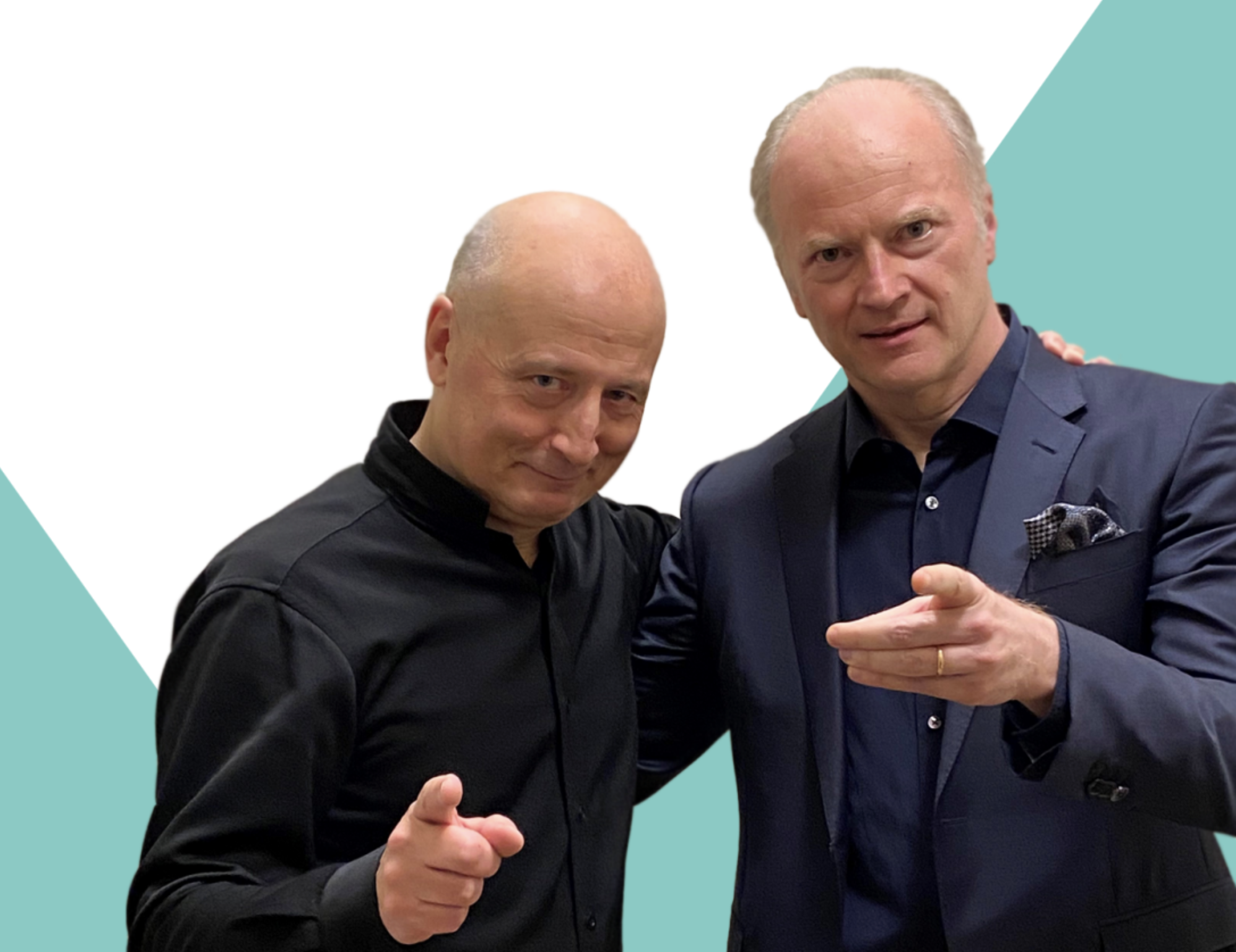
‘I am looking forward to taking part in this tribute to Rachmaninoff on the occasion of his 150th anniversary, together with the Tonhalle Orchestra Zurich and Paavo Järvi, a colleague and friend whom I greatly admire. By placing Sergei Rachmaninoff’s music at the heart of a collaboration between Zurich’s two leading orchestras, we will demonstrate that working together can produce wonderful artistic results and bring people together in the name of music, beauty and mutual respect,’ says the principal conductor, quoted on the Zurich Opera House website.
‘The fact that Gianandrea Noseda and I both work in Zurich is a happy coincidence. We have known each other for a long time and have always got on well. And we both love Rachmaninoff: as an Estonian, I grew up with Russian music, while Gianandrea spent many years working in St Petersburg. So Rachmaninoff’s 150th anniversary is a wonderful opportunity for friendly cooperation between the Tonhalle Orchestra and Zurich Opera House,’ Paavo Järvi echoes his colleague. If only politicians could find common ground so easily!
Despite the diversity of the four programmes, they share a common thread: Sergei Rachmaninoff’s concern about the state of the world around him, whose troubles were directly reflected in his own life, through which ran a revolution and two world wars. The anxiety, doubts and uncertainty about the future that the composer experienced are all too familiar to us today.
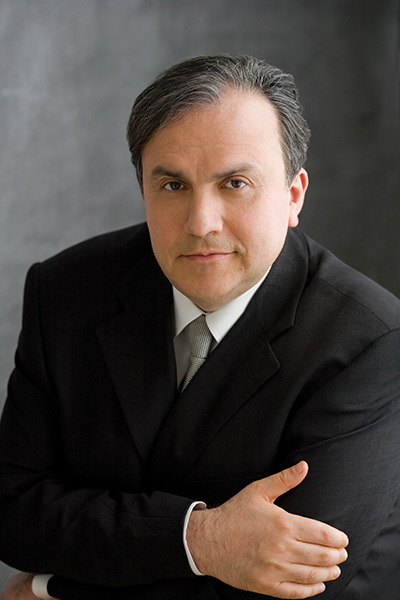
The Rachmaninoff series will open on 12 February with a morning concert at Zurich Opera House. The programme features two works: Piano Concerto No. 3 and The Bells. Tomorrow I will bring you an exclusive interview with the soloist in the concerto, the wonderful pianist Yefim Bronfman, so please be patient. In the meantime, I will be delighted to tell you about The Bells, particularly as this is my first opportunity to do so.
The Zurich Opera House press office points out that this choral symphony for soloists, chorus and orchestra features ‘sleigh bells, wedding bells and funeral bells’. Indeed they do. And how can I not think of Ernest Hemingway, another lover of Switzerland, whose bell has never stopped tolling for us all since 1940!
The story of Rachmaninoff’s The Bells began with an anonymous letter. The intrigue was all the greater because the letter, which the composer received in Rome, where he had gone in 1912 after Switzerland to recuperate, contained a poem by Edgar Allan Poe, one of the pioneers of the classic detective story and psychological prose. It is hardly surprising that the poem caught Sergei Rachmaninoff’s interest. Fortunately, that interest did not fade even when it emerged that the letter had been sent by a young cellist, M. Danilova. Having begun work on the composition in Rome, he continued it in Berlin and completed it in Russia, at Ivanovka. Following the ‘programme’ of Poe’s poem, Rachmaninoff’s work also consists of four movements, broadly corresponding to four stages of human life, from carefree youth to death.

The Bells was first performed in St Petersburg in December 1913 by the chorus, soloists and orchestra of the Mariinsky Theatre under the composer’s baton. The Moscow premiere followed in February 1914, with soloists and chorus from the Bolshoi Theatre. The work was an enormous success in both capitals. I have no doubt that the success will be just as great in Zurich, where three native Russian-speaking soloists have been invited to perform The Bells with Philharmonia Zürich conducted by Gianandrea Noseda: soprano Elena Stikhina, whom I have already introduced to my readers, tenor Sergei Skorokhodov and baritone Alexey Markov.
A few months after the Russian premiere, the First World War broke out… What does the future hold for us?
Two concerts in the second part of the Rachmaninoff series will take place on 29 and 30 March 2023 at the Tonhalle concert hall. The Tonhalle Orchestra, conducted by Paavo Järvi, will perform the Third Symphony, while the renowned Chinese pianist Yuja Wang will offer her interpretation of Piano Concerto No. 2.
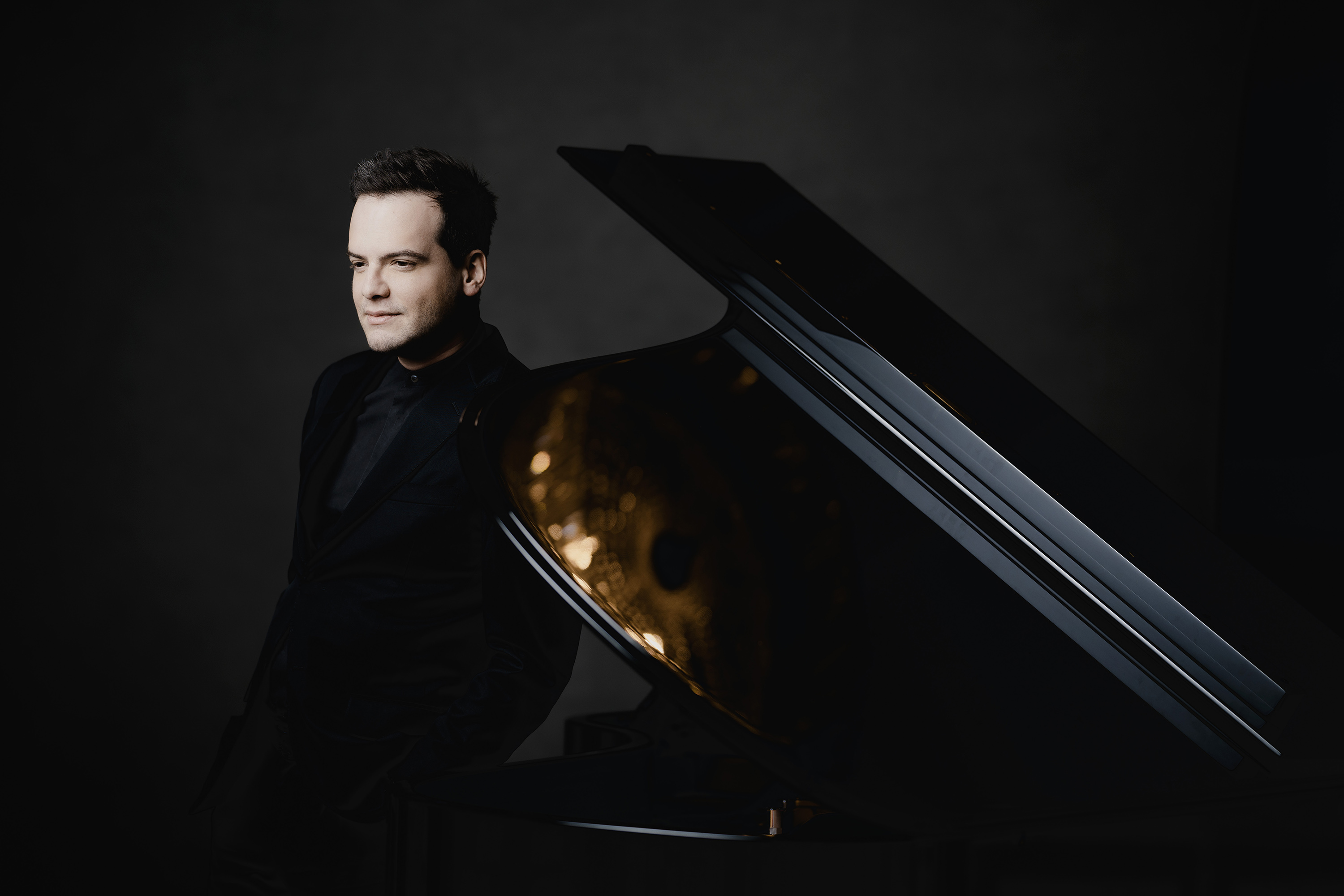
On 8 and 10 November 2023, also at the Tonhalle, music lovers will hear Rachmaninoff’s First Symphony, after which the Tonhalle Orchestra and Gianandrea Noseda will accompany the Swiss pianist Francesco Piemontesi in Piano Concerto No. 4. He will also perform in the final concert of the anniversary series: on 11 November 2023, Zurich Opera House will present the Rhapsody on a Theme of Paganini, composed at Senar in the summer of 1934. The programme will conclude with Rachmaninoff’s Symphony No. 2, performed by the Zurich Opera House orchestra under Paavo Järvi.
I hope that the classical music lovers among my readers will be able to attend at least some of these concerts. Meanwhile, a gift for poetry lovers: Edgar Allan Poe’s The Bells in the original English.
The Bells
I
Hear the sledges with the bells-
Silver bells!
What a world of merriment their melody foretells!
How they tinkle, tinkle, tinkle,
In the icy air of night!
While the stars that oversprinkle
All the heavens, seem to twinkle
With a crystalline delight;
Keeping time, time, time,
In a sort of Runic rhyme,
To the tintinnabulation that so musically wells
From the bells, bells, bells, bells,
Bells, bells, bells-
From the jingling and the tinkling of the bells.
II
Hear the mellow wedding bells,
Golden bells!
What a world of happiness their harmony foretells!
Through the balmy air of night
How they ring out their delight!
From the molten-golden notes,
And an in tune,
What a liquid ditty floats
To the turtle-dove that listens, while she gloats
On the moon!
Oh, from out the sounding cells,
What a gush of euphony voluminously wells!
How it swells!
How it dwells
On the Future! how it tells
Of the rapture that impels
To the swinging and the ringing
Of the bells, bells, bells,
Of the bells, bells, bells,bells,
Bells, bells, bells-
To the rhyming and the chiming of the bells!
III
Hear the loud alarum bells-
Brazen bells!
What a tale of terror, now, their turbulency tells!
In the startled ear of night
How they scream out their affright!
Too much horrified to speak,
They can only shriek, shriek,
Out of tune,
In a clamorous appealing to the mercy of the fire,
In a mad expostulation with the deaf and frantic fire,
Leaping higher, higher, higher,
With a desperate desire,
And a resolute endeavor,
Now- now to sit or never,
By the side of the pale-faced moon.
Oh, the bells, bells, bells!
What a tale their terror tells
Of Despair!
How they clang, and clash, and roar!
What a horror they outpour
On the bosom of the palpitating air!
Yet the ear it fully knows,
By the twanging,
And the clanging,
How the danger ebbs and flows:
Yet the ear distinctly tells,
In the jangling,
And the wrangling,
How the danger sinks and swells,
By the sinking or the swelling in the anger of the bells-
Of the bells-
Of the bells, bells, bells,bells,
Bells, bells, bells-
In the clamor and the clangor of the bells!
IV
Hear the tolling of the bells-
Iron Bells!
What a world of solemn thought their monody compels!
In the silence of the night,
How we shiver with affright
At the melancholy menace of their tone!
For every sound that floats
From the rust within their throats
Is a groan.
And the people- ah, the people-
They that dwell up in the steeple,
All Alone
And who, tolling, tolling, tolling,
In that muffled monotone,
Feel a glory in so rolling
On the human heart a stone-
They are neither man nor woman-
They are neither brute nor human-
They are Ghouls:
And their king it is who tolls;
And he rolls, rolls, rolls,
Rolls
A paean from the bells!
And his merry bosom swells
With the paean of the bells!
And he dances, and he yells;
Keeping time, time, time,
In a sort of Runic rhyme,
To the paean of the bells-
Of the bells:
Keeping time, time, time,
In a sort of Runic rhyme,
To the throbbing of the bells-
Of the bells, bells, bells-
To the sobbing of the bells;
Keeping time, time, time,
As he knells, knells, knells,
In a happy Runic rhyme,
To the rolling of the bells-
Of the bells, bells, bells:
To the tolling of the bells,
Of the bells, bells, bells, bells-
Bells, bells, bells-
To the moaning and the groaning of the bells.