Mechanical clocks first appeared in Europe during the Middle Ages, in Italy, France and England, and later in Germany. Yet it was Switzerland that transformed watchmaking into an art form, making it an integral part of the country's cultural identity and one of its most recognisable symbols. Paradoxically, the Reformation helped lay the foundations for this development. In the sixteenth century, Jean Calvin banned displays of ostentatious luxury in Geneva, including jewellery. Many jewellers and goldsmiths began seeking new outlets for their skills and turned to watchmaking. They were later joined by Protestant craftsmen who had fled France because of religious persecution. Thus emerged a tradition in which technical excellence gradually merged with artistic vision.
The mountainous Jura region played a particularly important role in this story. Long winters allowed farmers to supplement their income by producing watch components, and by the nineteenth century towns such as La Chaux-de-Fonds and Le Locle had become world centres of watchmaking. Today this region, inscribed on the UNESCO World Heritage List as a unique example of "watchmaking towns", continues to view watches not merely as industrial products but as cultural artefacts. It is no coincidence that La Chaux-de-Fonds is home to the Museum of Fine Arts, one of the most remarkable art museums in Switzerland outside the country's major urban centres. Founded in 1864 by the Society of Friends of the Arts, it pursued a clear ambition: to make art useful to industry. The region's collections served watchmakers not only as objects of admiration but also as sources of inspiration. Painting, graphic art, architecture and the decorative arts suggested new case designs, dial layouts, ornamental motifs and colour palettes.
This tradition lives on in François-Paul Journe. Born in Marseille, he is one of the last independent masters of high watchmaking, continuing to create his own original and extraordinarily complex timepieces. Every component is manufactured exclusively in Switzerland by specialists personally selected by him. The values that define the F.P. Journe brand – Authenticity, Rarity and Talent – form the acronym A.R.T. They perfectly reflect the close relationship the manufacture maintains with artistic creation in all its forms, as well as its commitment to preserving it and passing it on to future generations.
For more than a decade, F.P. Journe has supported artists and museums through its own award programme. An artist receives a prize, the work is acquired by François Paul Journe, and it is then offered to a major museum. Through this mechanism, works of art have entered the collections of Geneva's MAMCO, the Municipal Contemporary Art Fund of Geneva (FMAC) and the Nouveau Musée National de Monaco. In recent years, however, both the range of beneficiary institutions and the framework itself have expanded. For many years these awards were presented annually at Geneva's contemporary art fair artgenève. Today the tradition continues through Art Gstaad and the MAZE platform, both founded by Thomas Hug, the former director of artgenève. The youngest of these initiatives, MAZE, founded in 2024, brings together a series of international salons devoted to art, design and culture. Through its partnership with MAZE, F.P. Journe has significantly broadened the geographical reach of its patronage activities.
Just look at what has been achieved in the space of a few months.
The MAZE/Art Awards F.P. Journe were first presented in November 2025 at MIRA Art Fair in Paris. The inaugural recipient was the Brazilian artist Victor Fidelis, represented by Verve Gallery in São Paulo, for his work No limite do privado. A few months later, on 19 February 2026, at the third edition of Art Gstaad, the award went to Sonia Gomes, represented by Mendes Wood DM, for her work Untitled. The acquired works were subsequently offered to the Centre Pompidou and the Kunstmuseum Basel respectively.
F.P. Journe was also a partner of the second edition of MAZE/Art St. Moritz, held from 26 February to 1 March 2026 at the Reine Victoria Hotel in St. Moritz, in the Engadine. Dedicated to modern and contemporary art, collectible design, photography and antiques, the salon did not feature an F.P. Journe award that year.
The third MAZE/Art Awards F.P. Journe ceremony took place on 12 March 2026 at TEFAF Maastricht, one of the world's leading art fairs. The prize was awarded to Jeanne Selmersheim-Desgrange for Untitled (Fleurs d'automne), presented by Galerie Pavec. As with the previous awards, the distinction was accompanied by the acquisition of the work by F.P. Journe, after which it was offered to the Kunstmuseum Basel.
All this makes perfect sense when it comes to art. But how did a design prize come into being?
Readers with an interest in design may remember the surprise announcement made in February 2025, when the organisers cancelled Design Miami/Basel 2025, citing financial difficulties. After nearly two decades, the decision sent ripples throughout the world of collectible design. During Art Basel week, Design Miami/Basel had long been regarded as the field's leading international event.
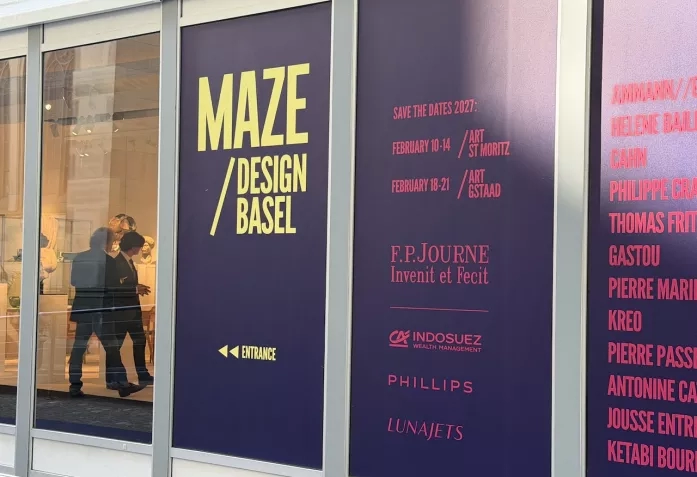
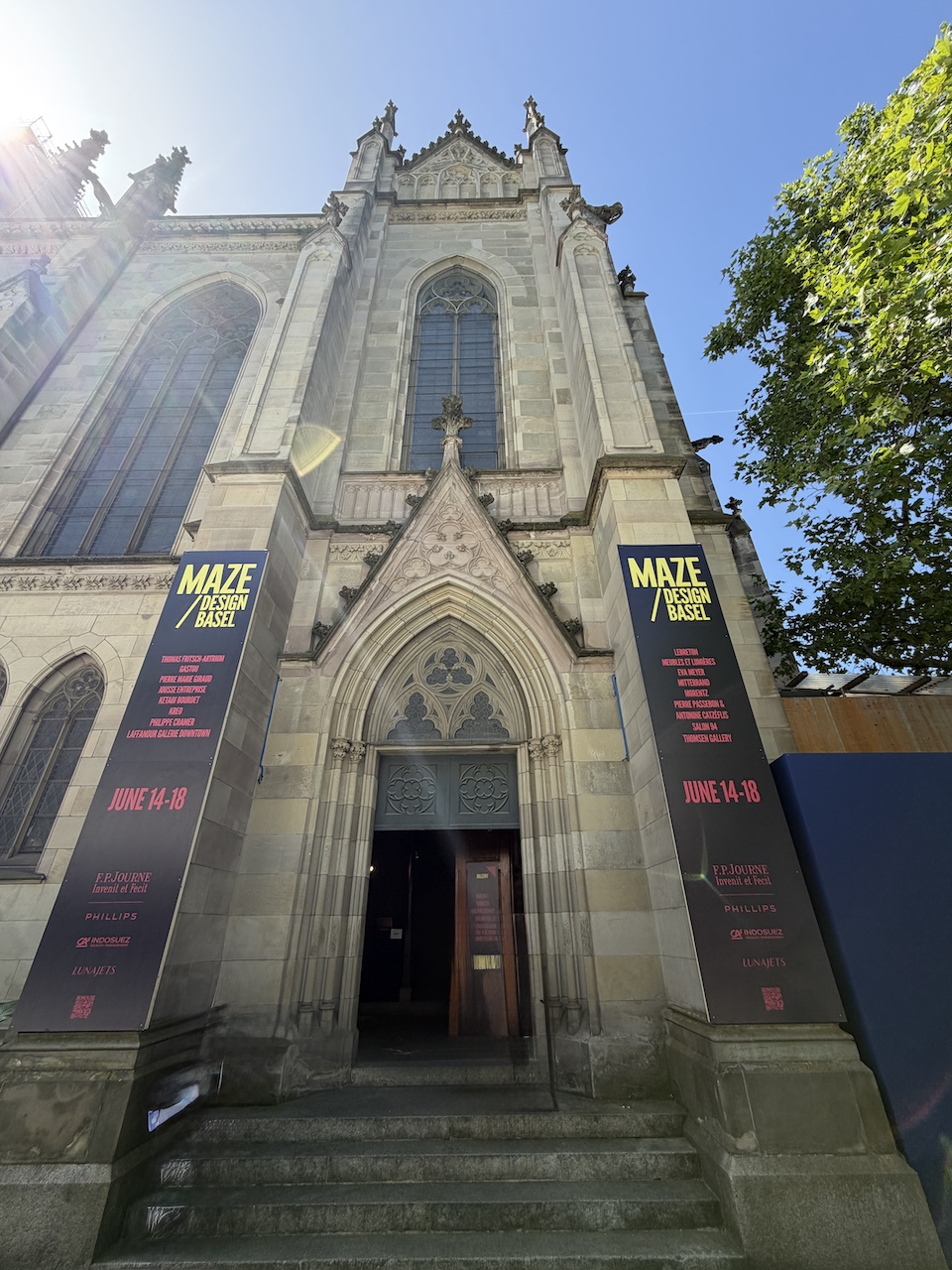
It was into this vacuum that MAZE Design Basel emerged. Created by Thomas Hug and immediately backed by François-Paul Journe, the new project sought to fill the gap left by the disappearance of its prestigious predecessor. The first edition took place on 16 and 17 June 2025 in the Offene Kirche Elisabethen in Basel, directly opposite Kunsthalle Basel, one of Europe's oldest and most influential venues for contemporary art.
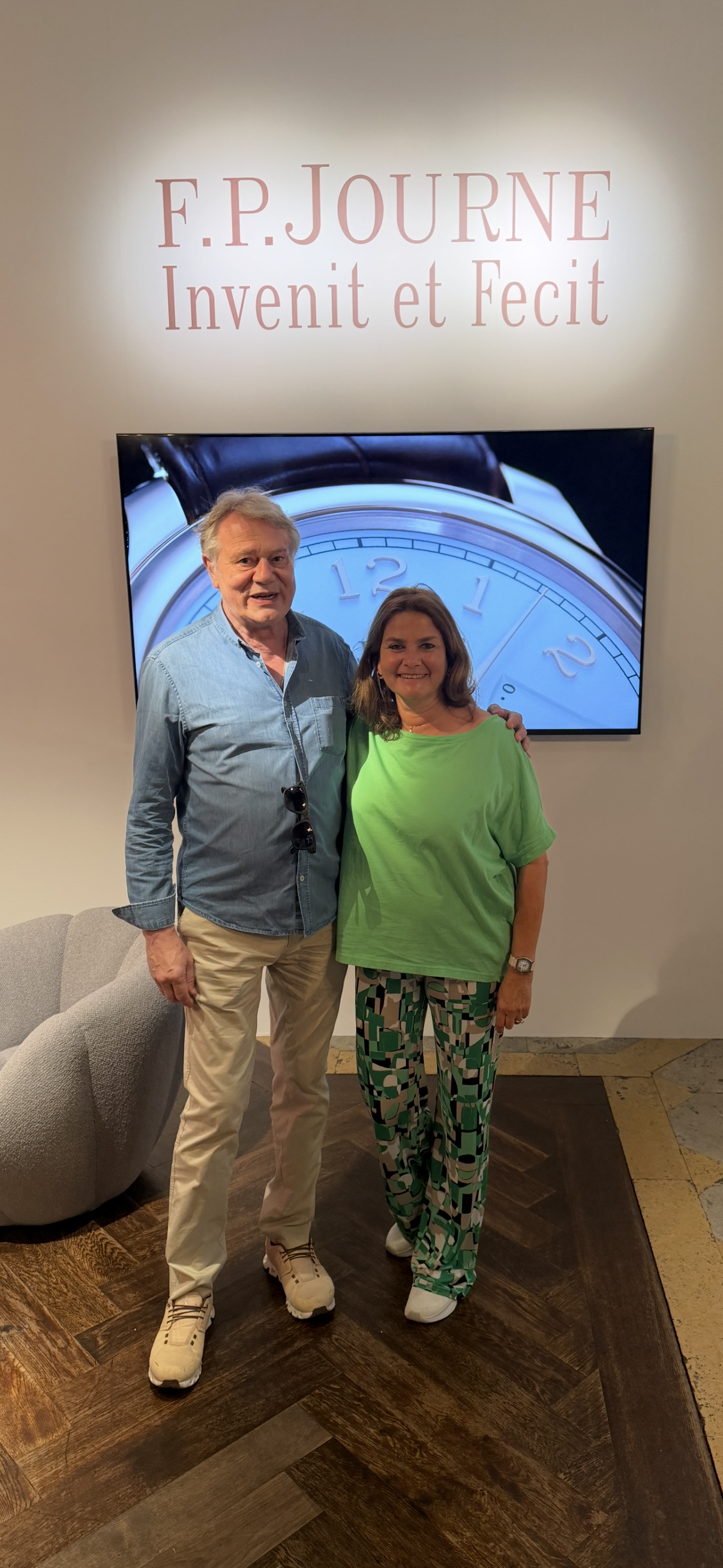
The second edition, which I visited last weekend, was held in the same setting. Seeing it in person, I appreciated the decision to stage MAZE Design Basel not in a conventional exhibition hall but in a former nineteenth-century neo-Gothic church that now serves as a venue for contemporary art and design. In doing so, it embodies a dialogue between heritage and modernity, precisely the dialogue that lies at the heart of fine watchmaking.
Built between 1857 and 1865 to designs by the Zurich architect Ferdinand Stadler, the church is regarded as one of Switzerland's most important neo-Gothic buildings. It was the first new Protestant church erected in Basel after the Reformation. Its construction was financed by the celebrated Basel philanthropist Christoph Merian, who, together with his wife Margarethe Merian-Burckhardt, sought to create what he saw as a monument to resist the spirit of the age, which in his view was driving society towards secularisation.
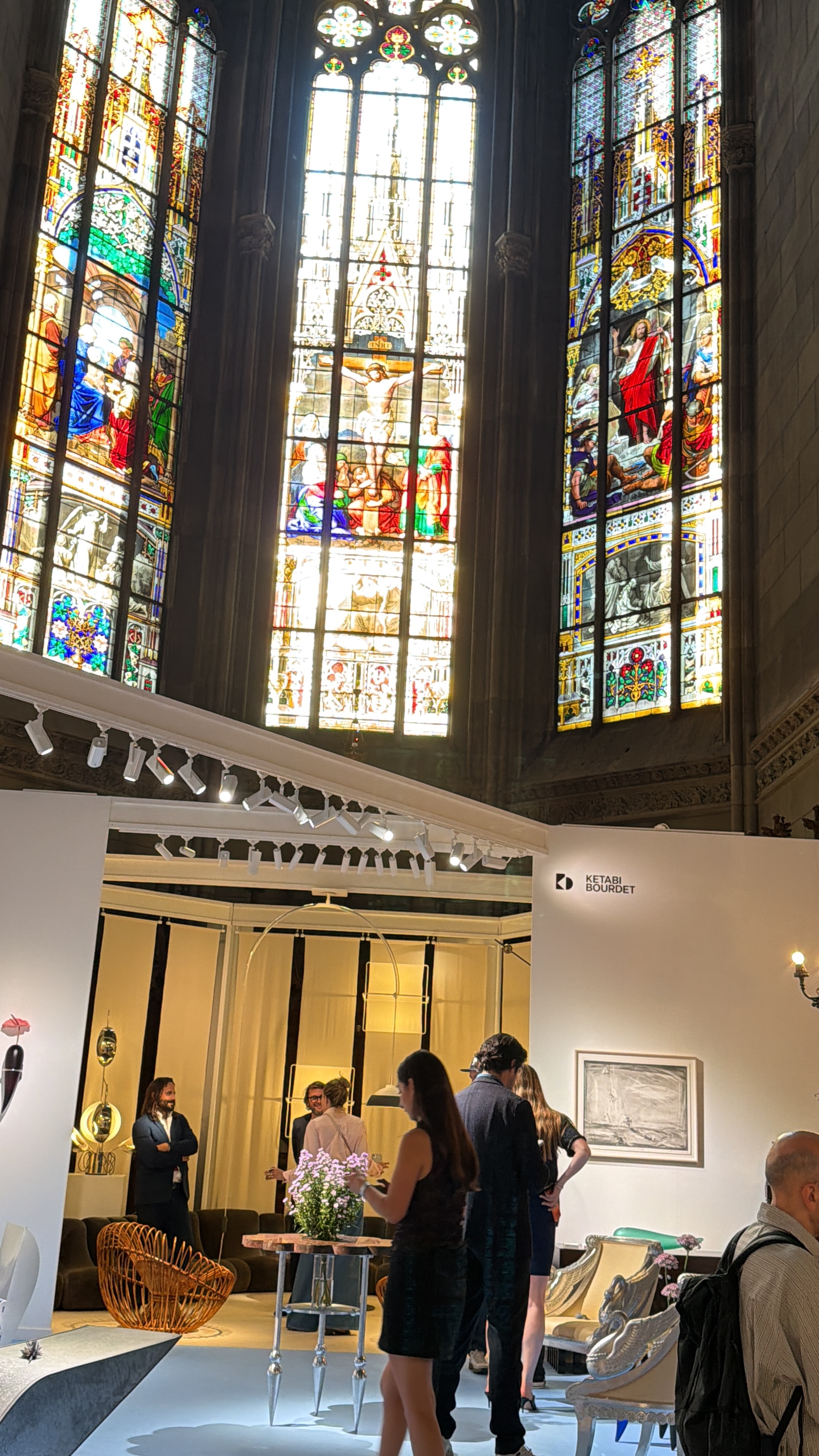
The building is remarkable from an architectural perspective as well. Its 72-metre tower dominated this part of the city for decades, while the interior remains one of the finest examples of Swiss neo-Gothic design. Particularly striking are the brick rib vaults. In the mid-nineteenth century brick was an expensive material in Switzerland, and few patrons could afford such extravagance. Since 1994 the church has no longer functioned as a place of worship and has been transformed into the Offene Kirche Elisabethen, Switzerland's first City Church: a flexible urban space combining spiritual, social and cultural functions. Despite this transformation, it has retained its stained-glass windows, especially beautiful on sunny days, as well as its pulpit, organ and magnificent decorative interior.
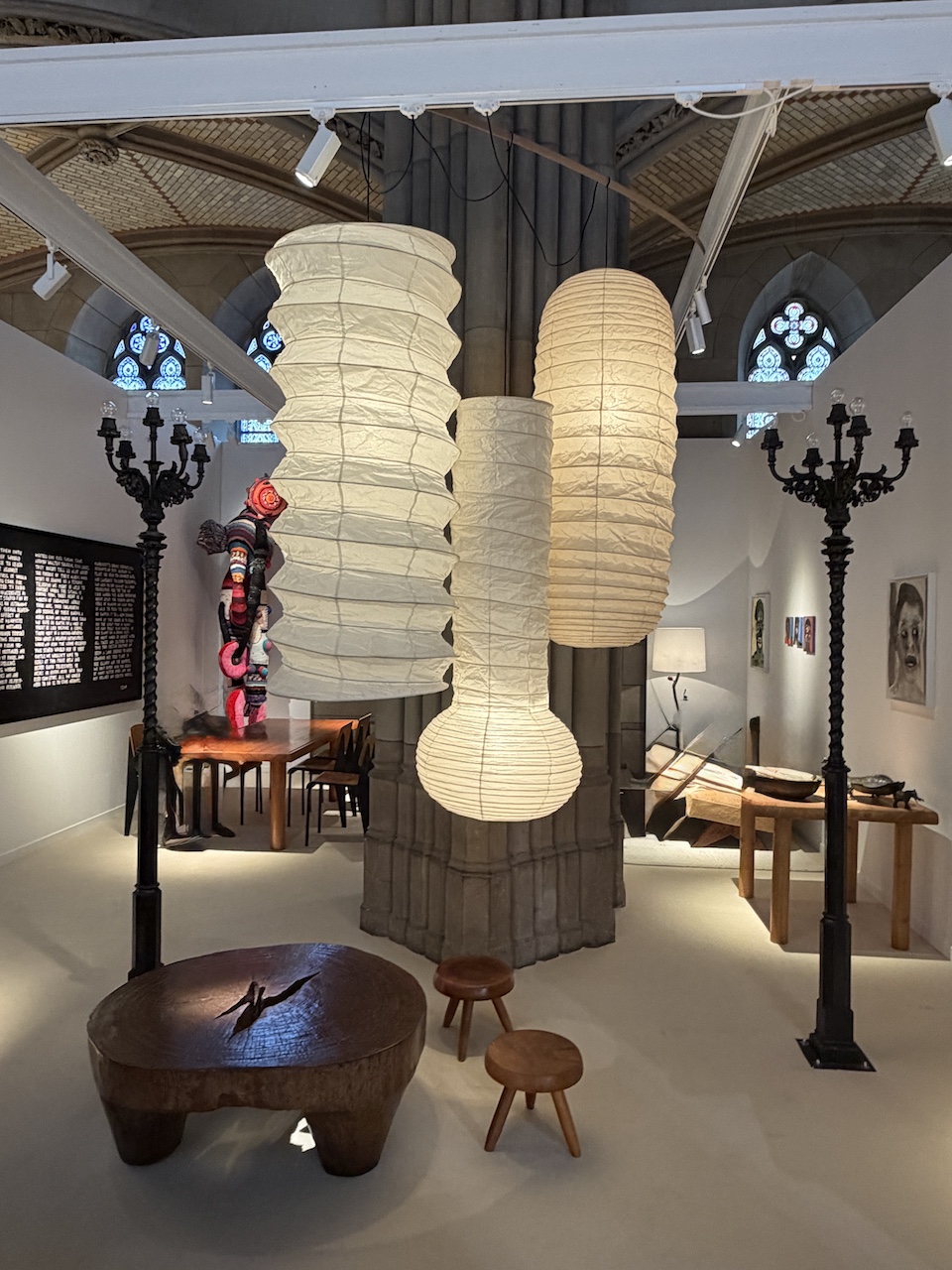
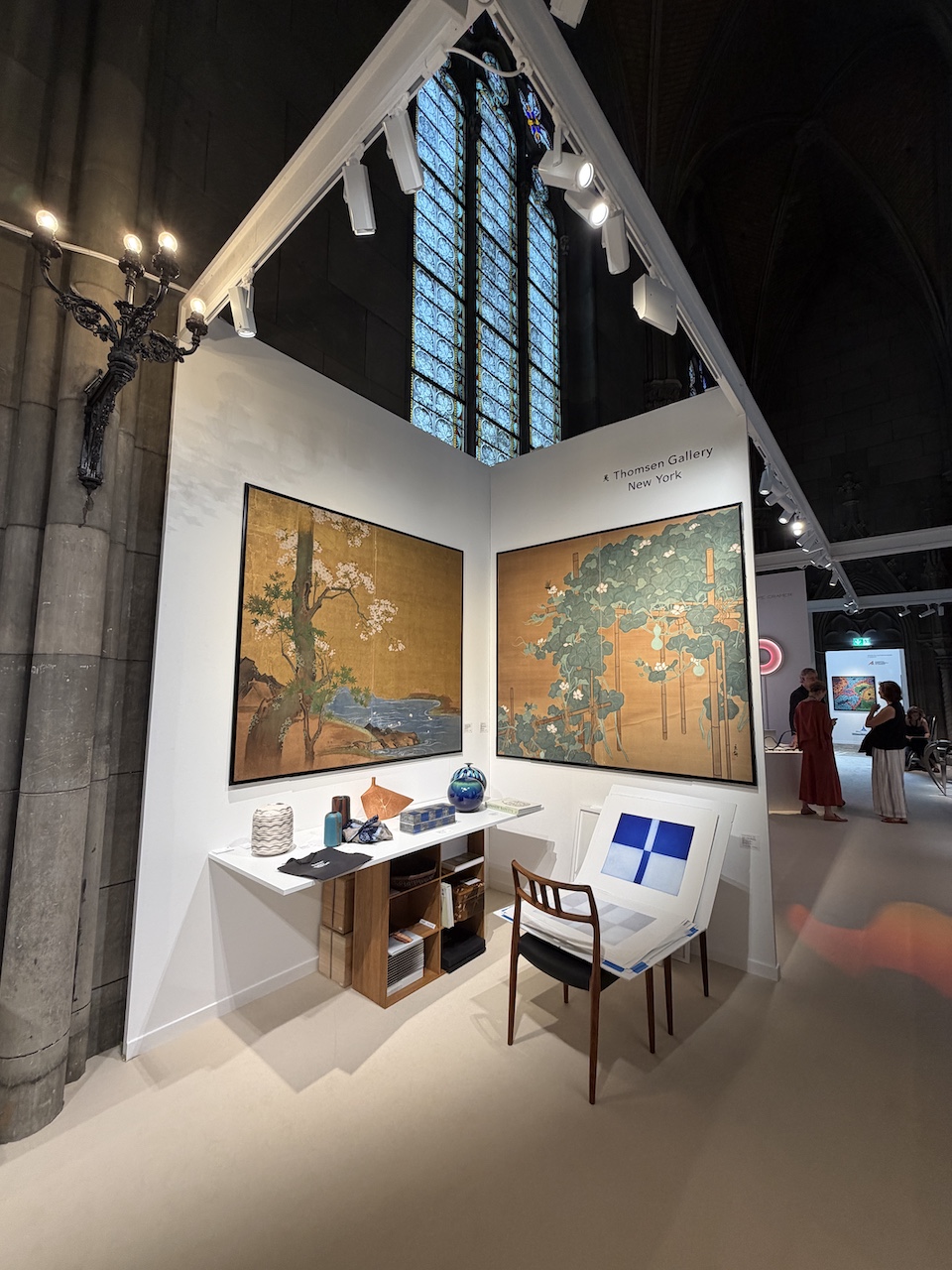
And so, last weekend, representatives of twenty-two European and American galleries gathered here to present some of the finest examples of contemporary design, from furniture to accessories. Interest was so strong, incidentally, that not everyone could be accommodated inside the church itself, and an additional prefabricated pavilion had to be erected opposite the building.
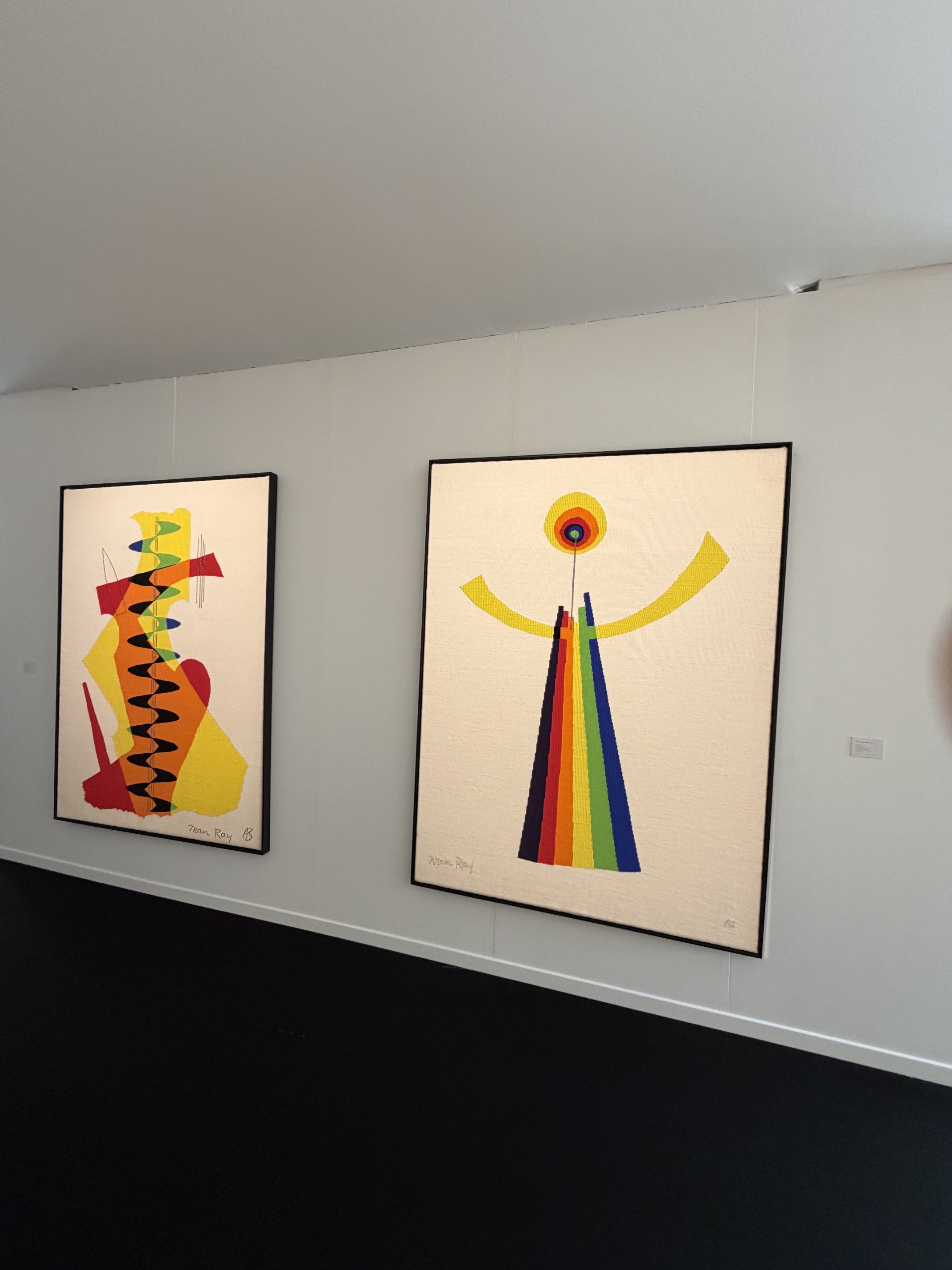
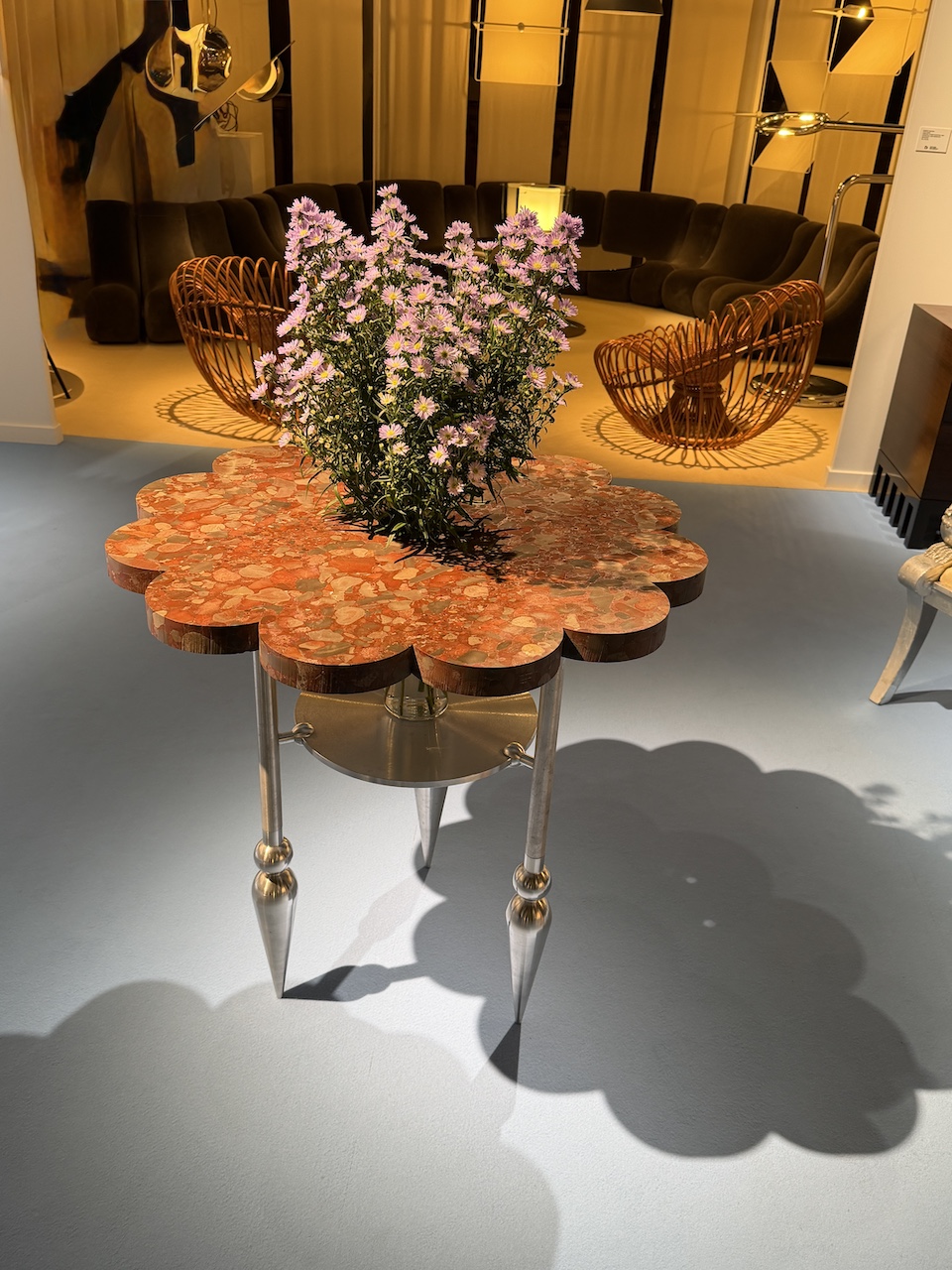
You will be able to judge the diversity of the exhibits both from the photographs accompanying this article and, above all, from the photo gallery I have prepared for you. One thing is certain: I would not have wanted to be in the shoes of the jury tasked with selecting the new recipient of the MAZE/Art Awards F.P. Journe. (For my part, I found it impossible to take my eyes off the Table for Flowers by the renowned Czech designer Bořek Šípek (1949–2016), who, among many other projects, created a unique series of sites dedicated to Václav Havel, the first President of the Czech Republic.)
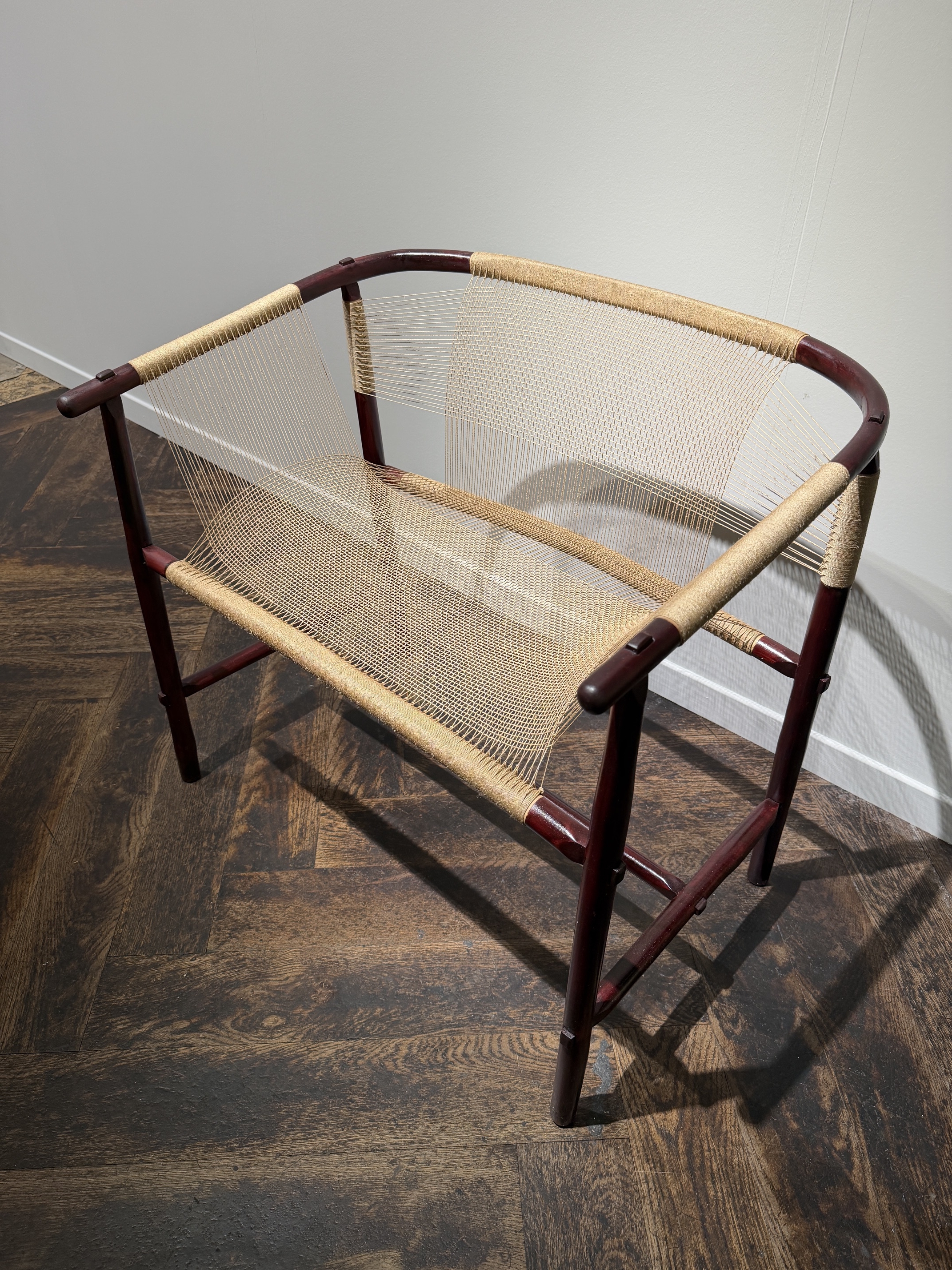
Unlike the inaugural edition of MAZE Design Basel, this year the F.P. Journe prize. The international jury, composed of Constance Rubini, Director of madd-bordeaux, Jochen Eisenbrand, Chief Curator of the Vitra Design Museum, and Alexis Georgacopoulos, Director of ECAL in Lausanne, reached a unanimous decision. The award went to the Mumbai-based architect and designer Bijoy Jain, represented by New York's Salon 94 gallery, for a chair made of bamboo and muga silk, the rare golden silk produced in Assam, India, renowned for its strength and regarded as one of the world's most prestigious natural fibres.
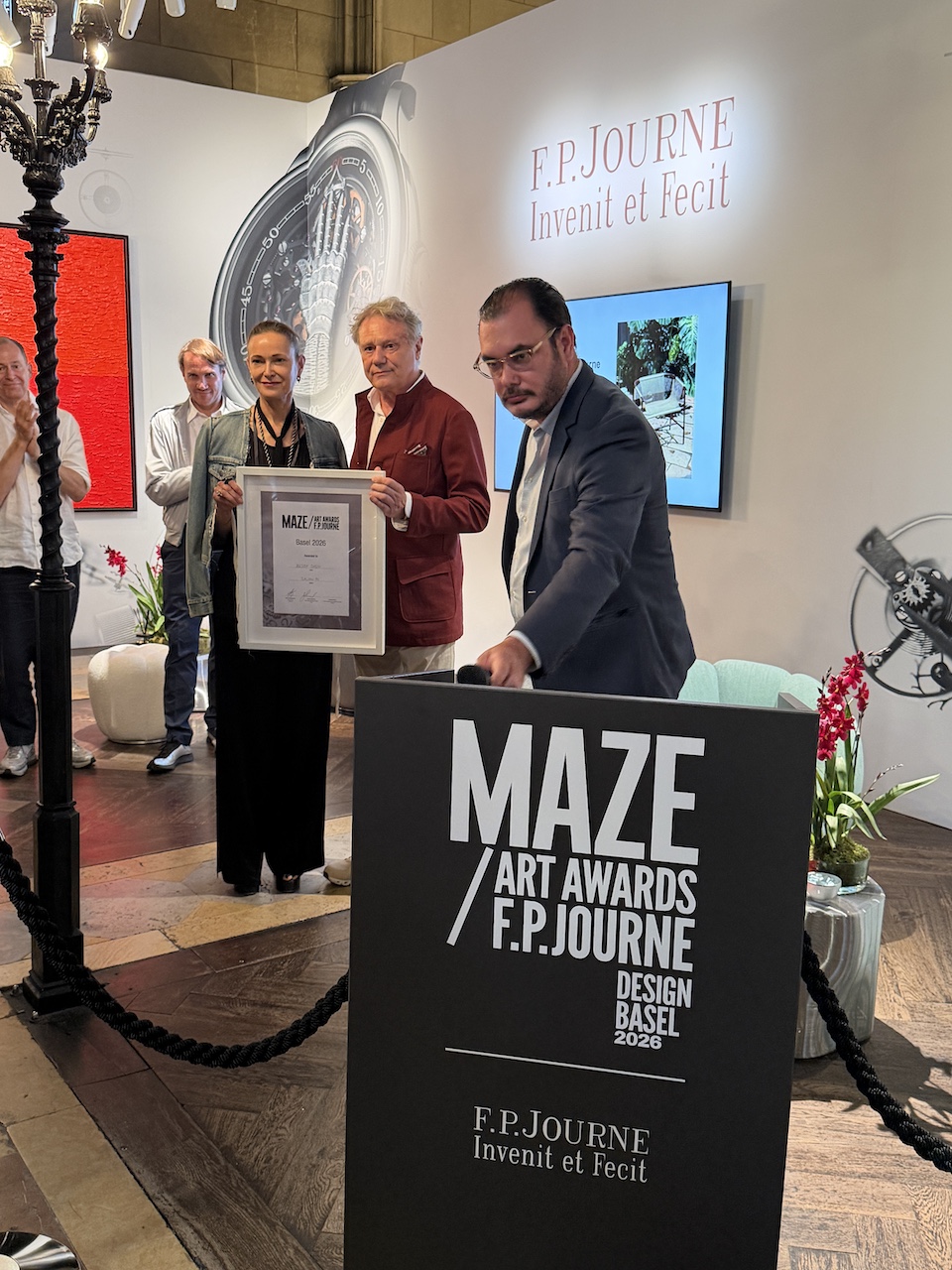
As she accepted the diploma from François Paul Journe, gallery founder Jeanne Greenberg Rohatyn was beaming. "Jain's work insists that architecture must honour the hands that shape it, not as nostalgia, but as an essential language of belonging," she told guests at the fair.
She went on to explain that, in an age of mass production, Studio Mumbai stands as a powerful testament to the enduring power of handmade, human-centred design, where material, light and human touch come together to create spaces deeply rooted in their cultural and environmental context.
I was less certain about another claim: that the chair was so light it could be lifted with a single finger. I went to check. It turned out to be true. It was comfortable, too. I tried it myself.
Jain's work has previously been exhibited at the Fondation Cartier in Paris, the Venice Biennale and London's Victoria and Albert Museum. His works are also held in the collections of the Centre Pompidou and New York's Metropolitan Museum of Art. His chair was acquired by François Paul Journe and donated to the Vitra Design Museum. Its Chief Curator, Jochen Eisenbrand, made no secret of his satisfaction. In his view, Asia remains underrepresented in the museum's collection.
In addition, the winning designer will be the subject of a major feature in the next issue of MAZE/Art Columns, to be published during the London art fairs in October.
MAZE Design Basel remains open until June 18th. If you hurry, you can still catch it.