
Kunsthaus Zürich will become the centre dedicated to Alberto Giacometti

Small countries are better than others at valuing their heroes and drawing attention to them from both their own citizens and the wider world. Even if, having been born in Switzerland, they chose other countries in which to realise their talents. This was the case with Félix Vallotton, whose anniversary was celebrated last year, and the same is true of Alberto Giacometti, born on 10 October 1901 in Borgonovo in the Bregaglia Valley (canton of Graubünden), who spent most of his life in Paris, where he moved in 1922 and settled in Montparnasse. However, he did not lose his connection with the homeland.
You will all remember, of course, the Swiss banknotes of the eighth series, issued between 1995 and 1998, which featured portraits of outstanding Swiss figures. Even a person unfamiliar with art could make out on the blue one-hundred-franc note a man with a long, melancholy face – Alberto Giacometti (1901–1966) – and beside him the “walking figures” he created. Conceived during the Second World War, when Giacometti returned to the theme of the human figure, these figures became the symbol of his unmistakable style, which brought him worldwide recognition: elongated, fragile figures and expressive busts that redefined the relationship between the human being and space. But… on 30 April 2021, the Swiss National Bank withdrew these banknotes from circulation.
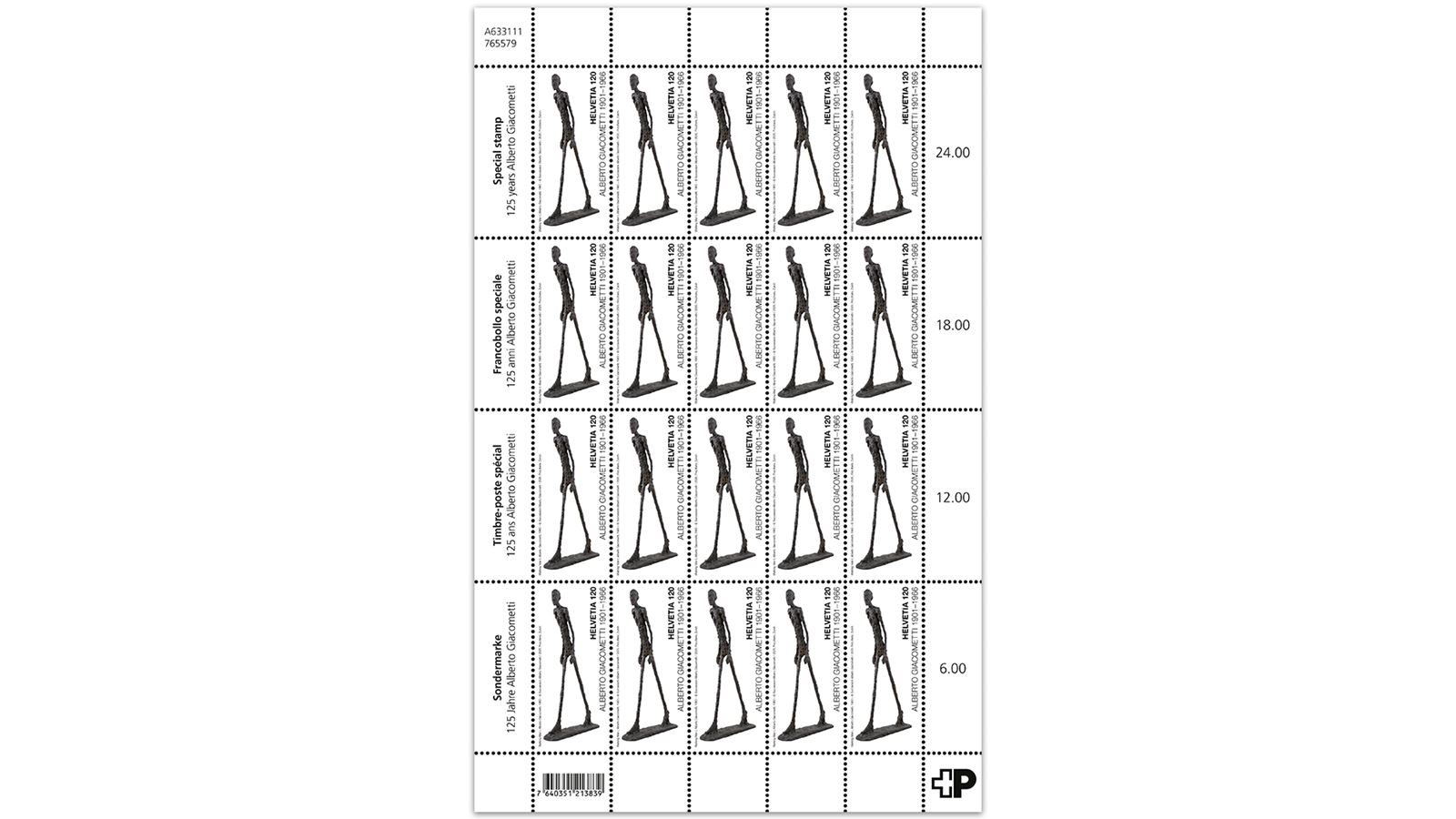
Was the celebrated Artist destined to be consigned to oblivion? Of course not! In this anniversary year, the figure L’Homme qui marche I (Walking Man I, 1960), which had previously adorned the 100-franc banknote, has returned to the people of Switzerland and its visitors on a postage stamp produced in an unusual vertical format (20 × 44 mm). This exceptionally narrow and elongated format both pays tribute to L’Homme qui marche I by echoing the elegance and austerity of the artist’s sculptures and, in some way, recalling his own silhouette, and makes the stamp an unusual and desirable collector’s item. The stamp was issued on 5 March, and the day before its official presentation took place at Kunsthaus Zürich in the presence of representatives of the Swiss Post, as well as Philippe Büttner, director of the Alberto Giacometti-Stiftung, thanks to whose long-term loans the museum can pride itself on possessing the largest museum collection of the artist’s works, and Carolin A. Geist, Senior Curator of the collection at Kunsthaus Zürich, who bears primary responsibility for the programme of temporary exhibitions, including the first anniversary exhibition, which opened on 6 February.
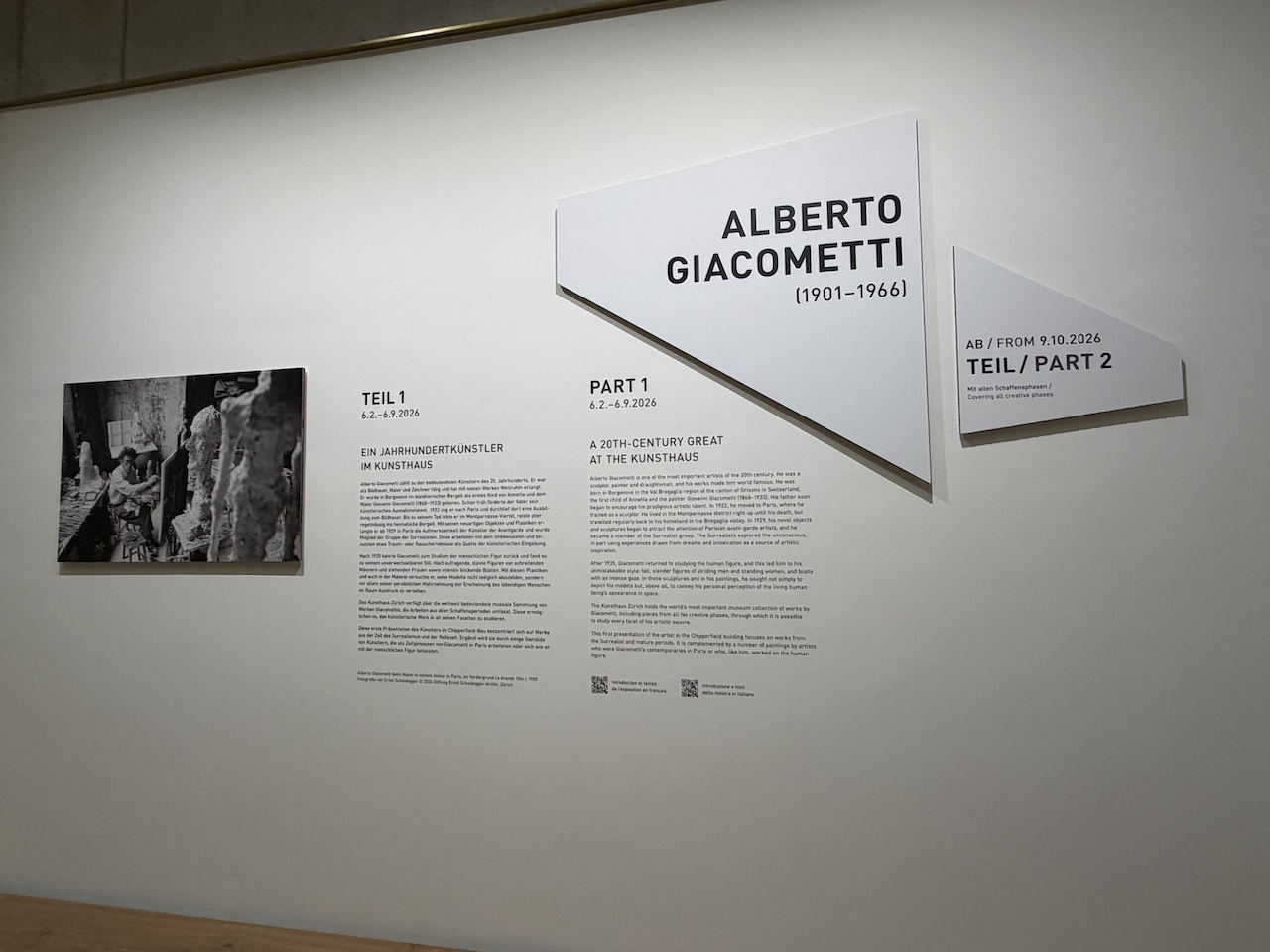
This exhibition in the “new” building of the Kunsthaus Zürich, completed by the renowned British architect David Chipperfield in the winter of 2020, focuses on key works from the Surrealist period and on world-famous sculptures created by Alberto Giacometti after 1945. After five years of display in the “old” Müller building of 1976, it occupies two rooms on the second floor. This first presentation marks the beginning of a larger-scale project: in autumn 2026, the exhibition will receive a new curatorial concept and will be significantly expanded in order to present the artist’s entire creative trajectory, one of the most important masters of the twentieth century. Visitors will then be able to see not two but four rooms presenting works from all periods of his work, drawn from the museum’s own collection, from the collection of the association “Kunstfreunde Zürich”, and from the Alberto Giacometti-Stiftung, established in Zurich in 1965, which holds major works from the collection of the American industrialist G. David Thompson, as well as works donated by Alberto Giacometti himself shortly before his death. (It should be noted that over time this already substantial body of works has grown considerably, above all thanks to major donations from the artist’s brother Bruno Giacometti and his wife Odette, so that the largest museum collection of Giacometti’s works is now held at Kunsthaus Zürich.)
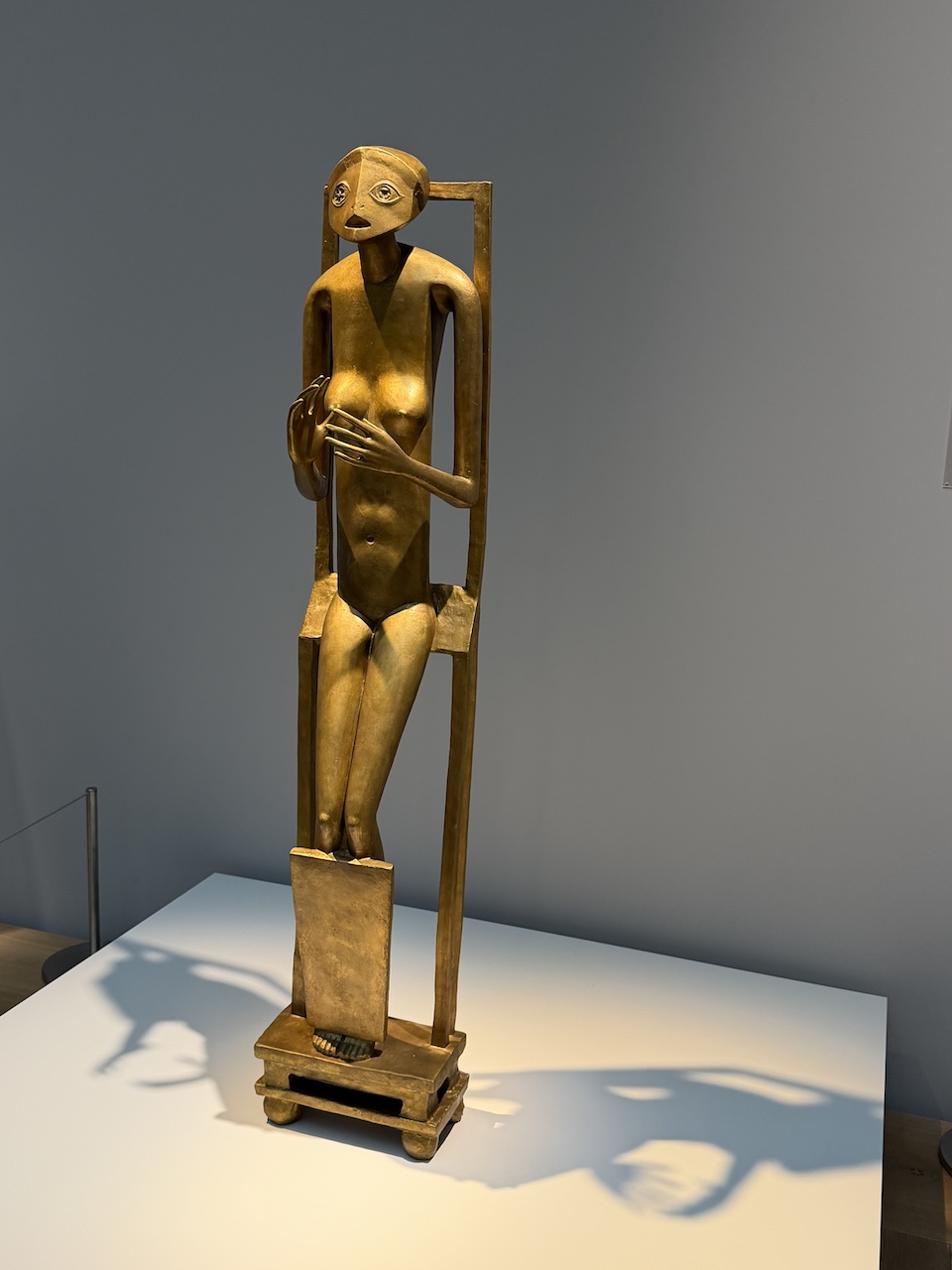
Yet even in the two rooms already accessible today, there is much to see. The exhibition’s curators draw attention to a new loan from the Alberto Giacometti-Stiftung and a Swiss private collection: a bronze version of the major Surrealist work L’Objet invisible (Invisible Object, 1934–35), presented in the Zurich museum for the first time. This famous sculpture depicts a stylised female figure whose hands appear to hold an object invisible to the viewer, and it is regarded by specialists as a key work of modernism, allowing one to sense the presence of the invisible and the unknown.
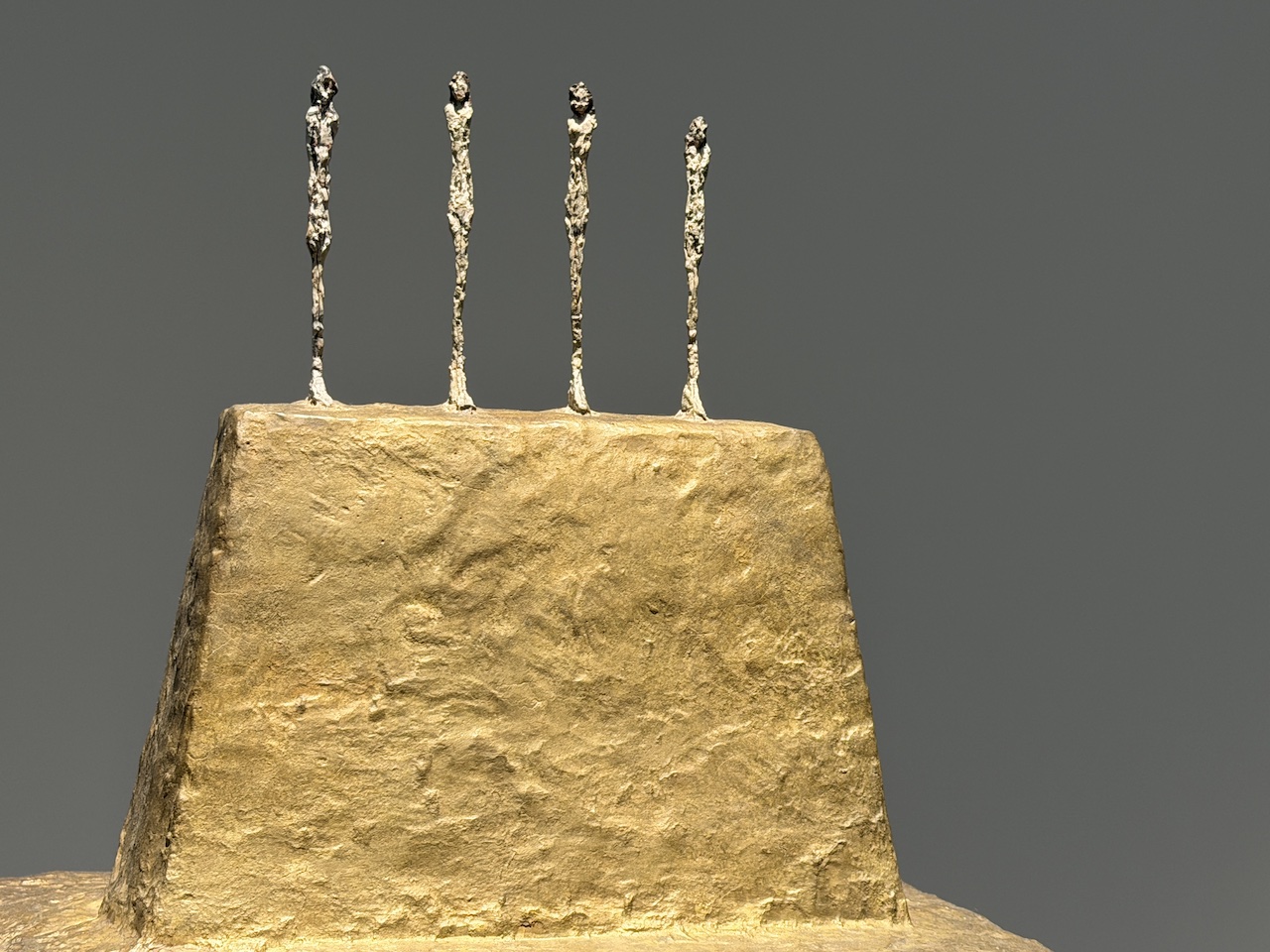
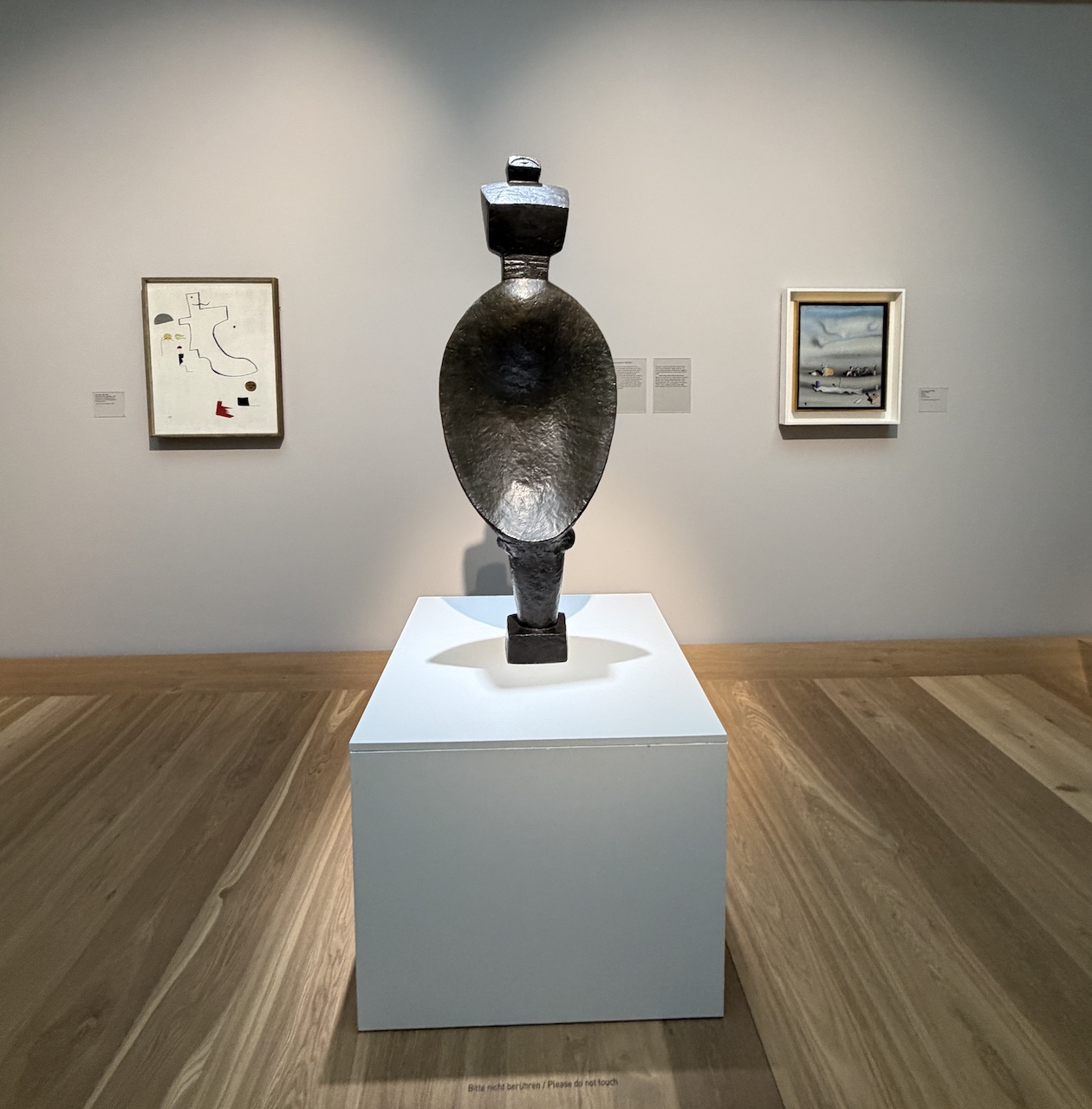
For my part, I would like to draw your attention to L’Homme qui chavire (Man Who Totters, 1950), to four tiny bronze figurines, less than ten centimetres in height yet each with its own expression, and to the remarkable, in my view, Portrait de la mère de l’artiste dans l’atelier (Portrait of the Artist’s Mother in the Studio, 1962). The striking Femme-cuillère (Spoon Woman, 1926–1927) immediately brought to mind the treasures of Geneva’s Barbier-Mueller Museum and suggested the idea of a possible collaboration between these two distinguished collections.
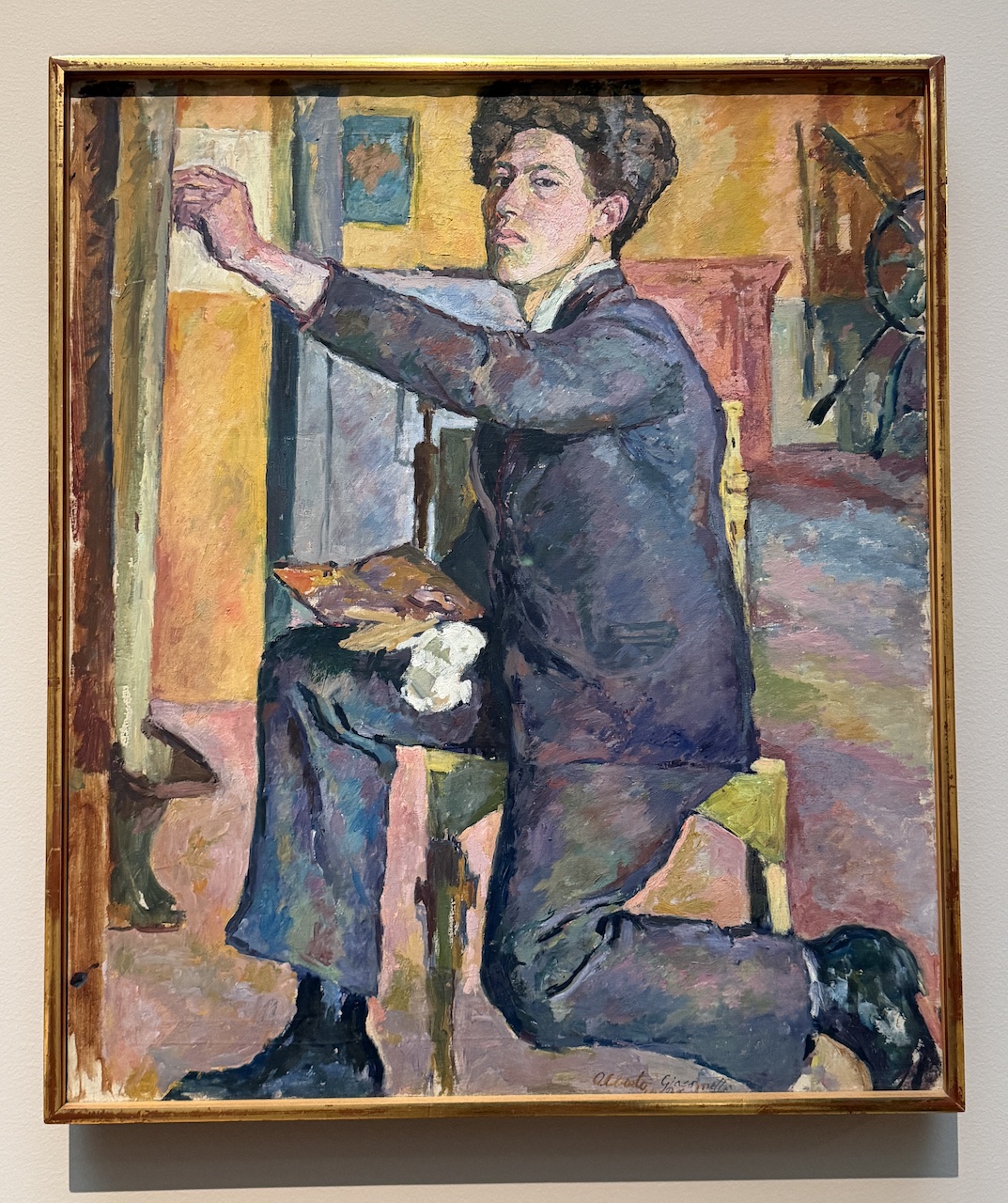
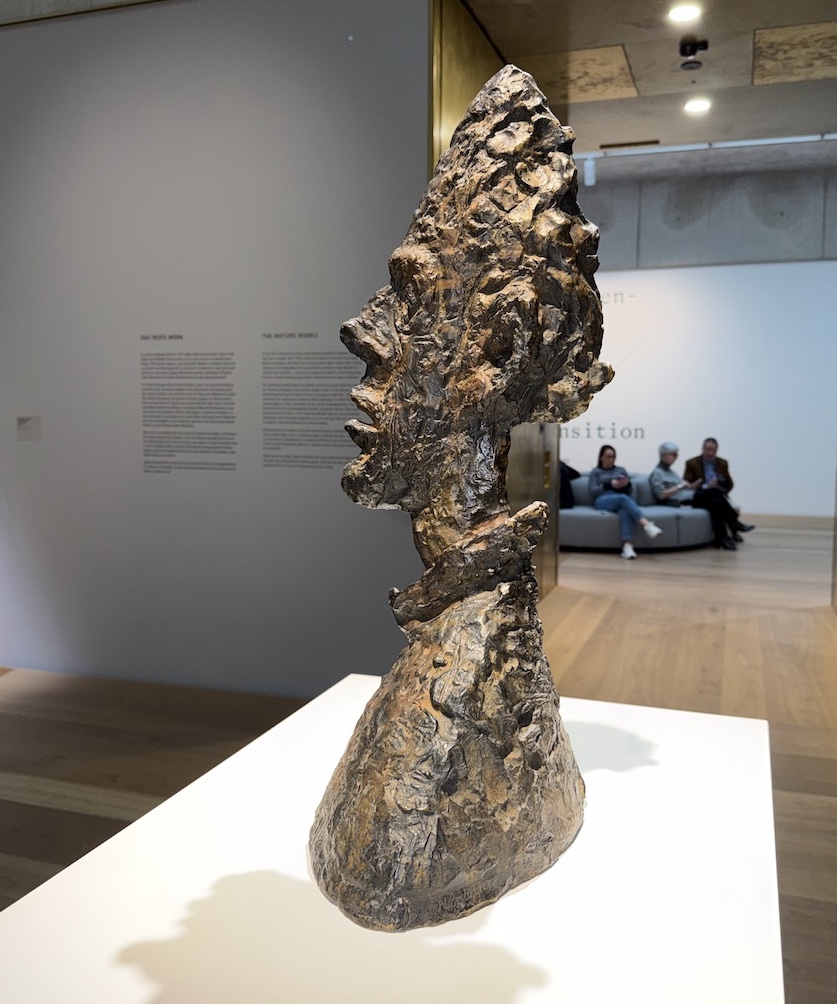
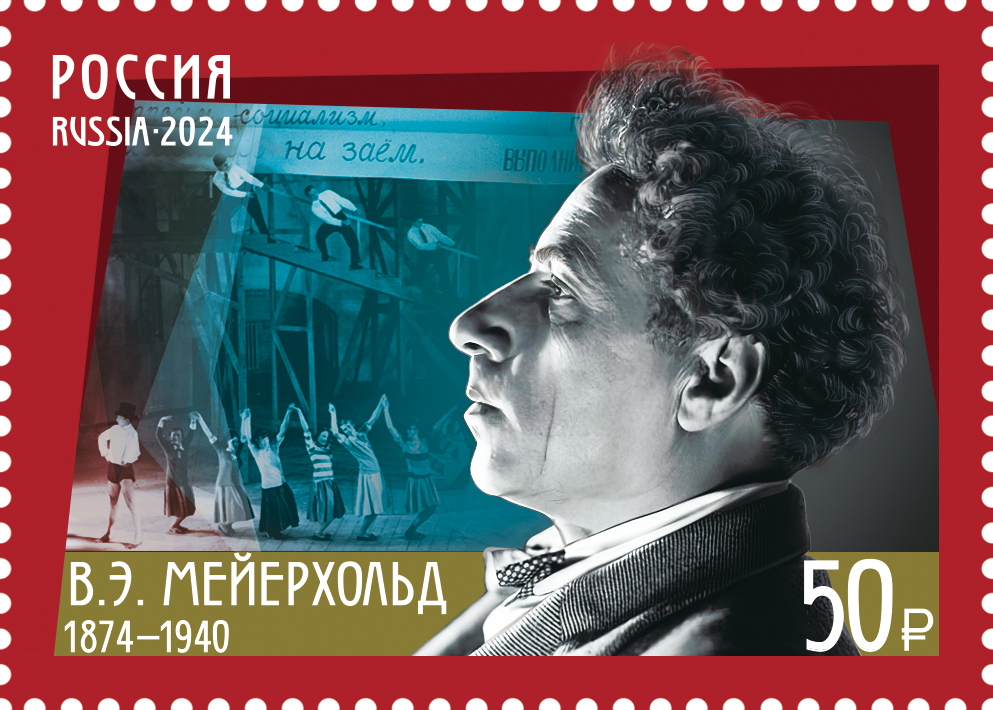
As always, I looked in the galleries of the Zurich museum for a “Russian accent”. Russia is not present in Giacometti’s biography, yet it seems to “catch up with” him in a sense – through Dostoevsky, through the avant-garde, through that same painful concentration on human existence, so fragile and vulnerable, as well as through the presence of his work in Russian museums and exhibition projects. And one more very personal observation. Look once again at Autoportrait (Self-Portrait) of the artist at the age of twenty, painted in 1921, and at Buste de Diego (Bust of Diego, 1954), which immortalises the artist’s younger brother, his closest collaborator and principal model – it was his face that Alberto painted and sculpted for decades, turning a private portrait into a universal exploration of human presence. Doesn’t the resemblance to Vsevolod Meyerhold, the outstanding Russian theatre director – who was first shot on 2 February 1940 after three weeks of beatings, and then had a stamp issued in his honour in 2024 to mark the 150th anniversary of his birth – strike you? The same hair, the same prominent nose, the same thoughtful gaze…
If you are in Zurich, be sure to visit the exhibition. It is wonderful that Giacometti’s work will now occupy an even more prominent place in the museum’s new building, in keeping with its exceptional importance for Kunsthaus Zürich and for Switzerland.